
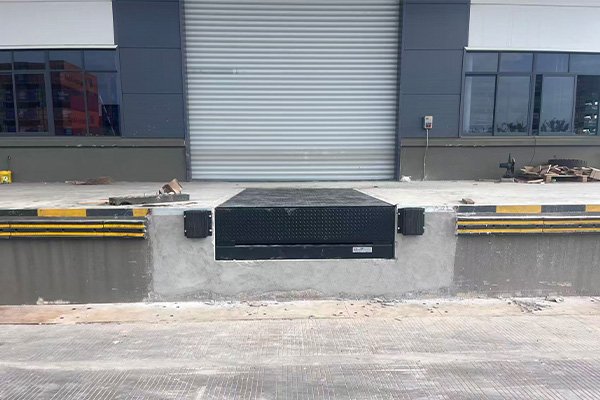

In modern warehouse and logistics facilities, Loading Bay Equipment plays a critical role in improving loading efficiency, reducing manual handling risks, and creating a safer connection between the warehouse platform and the truck bed. This project involved the installation of a heavy-duty hydraulic dock leveler for a warehouse loading area, with a product size of 2000 × 3800 × 600 mm and a rated load capacity of 10 tons. The dock leveler was designed to support frequent loading and unloading operations, especially in environments where cargo movement, pallet trucks, and forklifts require a stable transition between different working heights.
Project Background
The loading area in this project serves a warehouse operation where daily inbound and outbound cargo handling is required. In many warehouse environments, the height difference between the building platform and vehicle compartment can create operational challenges. If there is no proper height adjustment system, workers may face slower loading speeds, unstable movement of goods, and increased safety risks during cargo transfer.
To solve this problem, a hydraulic dock leveler was selected as the main Loading Bay Equipment solution. The purpose was to create a strong and adjustable bridge between the fixed platform and the truck, allowing goods to move more smoothly during loading and unloading. Compared with manual steel plates or temporary ramps, a hydraulic dock leveler provides better stability, easier operation, and higher long-term reliability.
Equipment Specification
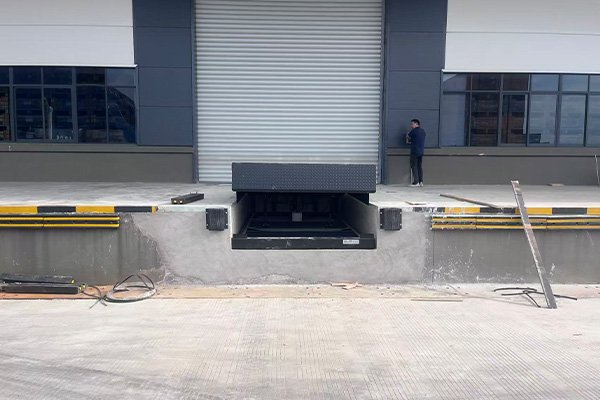
The dock leveler used in this project was specified with a platform size of 2000 mm in width and 3800 mm in length, providing a suitable working surface for common warehouse loading operations. The 600 mm specification helps match the required installation structure and working height conditions of the loading bay.
The rated load capacity is 10 tons, which makes the equipment suitable for handling heavy cargo, palletized goods, and forklift-assisted loading. For a busy warehouse, load capacity is one of the most important factors when selecting Loading Bay Equipment. It must not only support the weight of the cargo but also withstand the combined load generated by forklifts, pallets, and repeated movement during daily operation.
Why a Hydraulic Dock Leveler Was Selected
Hydraulic dock levelers are widely used in warehouses, manufacturing plants, distribution centers, and logistics hubs because they offer stable lifting performance and simple operation. In this project, the hydraulic structure helps the platform rise smoothly and allows the lip plate to connect with the truck bed. Once the connection is formed, workers can move goods across the platform more efficiently.
For loading bays with frequent use, hydraulic systems are often preferred because they reduce manual operation and improve consistency. Instead of relying on workers to position heavy plates by hand, the dock leveler can be operated through a control system. This helps reduce labor intensity and supports safer loading procedures.
Operational Value for the Warehouse
The main value of this project is not only the installation of a single dock leveler, but the improvement of the entire loading process. A properly selected Loading Bay Equipment system can help reduce waiting time, improve cargo flow, and make the loading bay more organized.
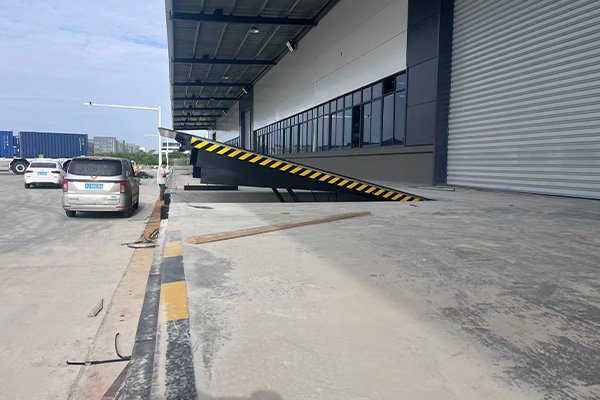
With a 10-ton capacity, the dock leveler provides reliable support for heavy-duty warehouse operations. The 3800 mm platform length also helps create a smoother transition angle, which is important when forklifts or pallet trucks move between the truck and the warehouse floor. A smoother transition can reduce impact on goods, minimize equipment vibration, and improve operator confidence during loading.
In daily use, this type of dock leveler can support multiple loading cycles. For warehouses handling high cargo turnover, even small improvements in each loading operation can create meaningful efficiency gains over time. A stable loading platform also helps reduce the risk of goods tipping, wheel obstruction, or unsafe movement caused by height gaps.
Safety and Durability Considerations
Safety is a key factor in every loading bay project. The dock leveler creates a firm connection point between the building platform and the vehicle compartment, helping reduce open gaps and uneven transitions. Its heavy-duty steel structure is designed to withstand repeated loading pressure, making it suitable for industrial use.
In addition to selecting reliable Loading Bay Equipment, warehouse operators should also pay attention to personal protection during daily loading and unloading work. Workers often handle pallets, cartons, straps, and rough packaging materials around the dock area, where hand abrasion and minor mechanical injuries may occur. Using proper mechanical protection work gloves can help support safer material handling and create a more complete loading bay safety system.
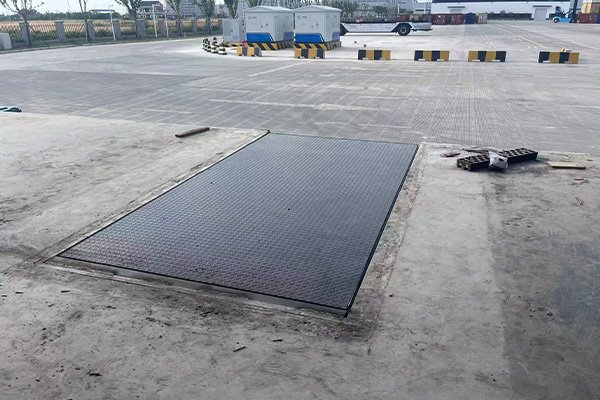
For long-term durability, the installation foundation, pit dimensions, welding quality, hydraulic system, and platform structure should all match the working requirements of the site. A dock leveler is not a standalone product; it is part of a complete loading bay system. Correct installation and regular maintenance are essential to ensure stable performance over time.
Conclusion
This project demonstrates how professional Loading Bay Equipment can improve warehouse loading efficiency and operational safety. With a size of 2000 × 3800 × 600 mm and a 10-ton rated capacity, the hydraulic dock leveler provides a reliable solution for heavy-duty loading and unloading applications.
For warehouses, logistics centers, factories, and distribution facilities, choosing the right dock leveler can directly affect cargo handling speed, worker safety, and long-term operating costs. A well-designed loading bay system helps create a smoother connection between trucks and platforms, making daily logistics operations more efficient, stable, and professional.
