Four SEPPES cleanroom doors in a studio product visualization

SEPPES / PRODUCT COLLECTION

Clean Room Doors Manufacturers for Clean Environments

Compare four door designs for material flow
and personnel access.

Types of Cleanroom Doors: High Speed Roll Up & Swing Doors

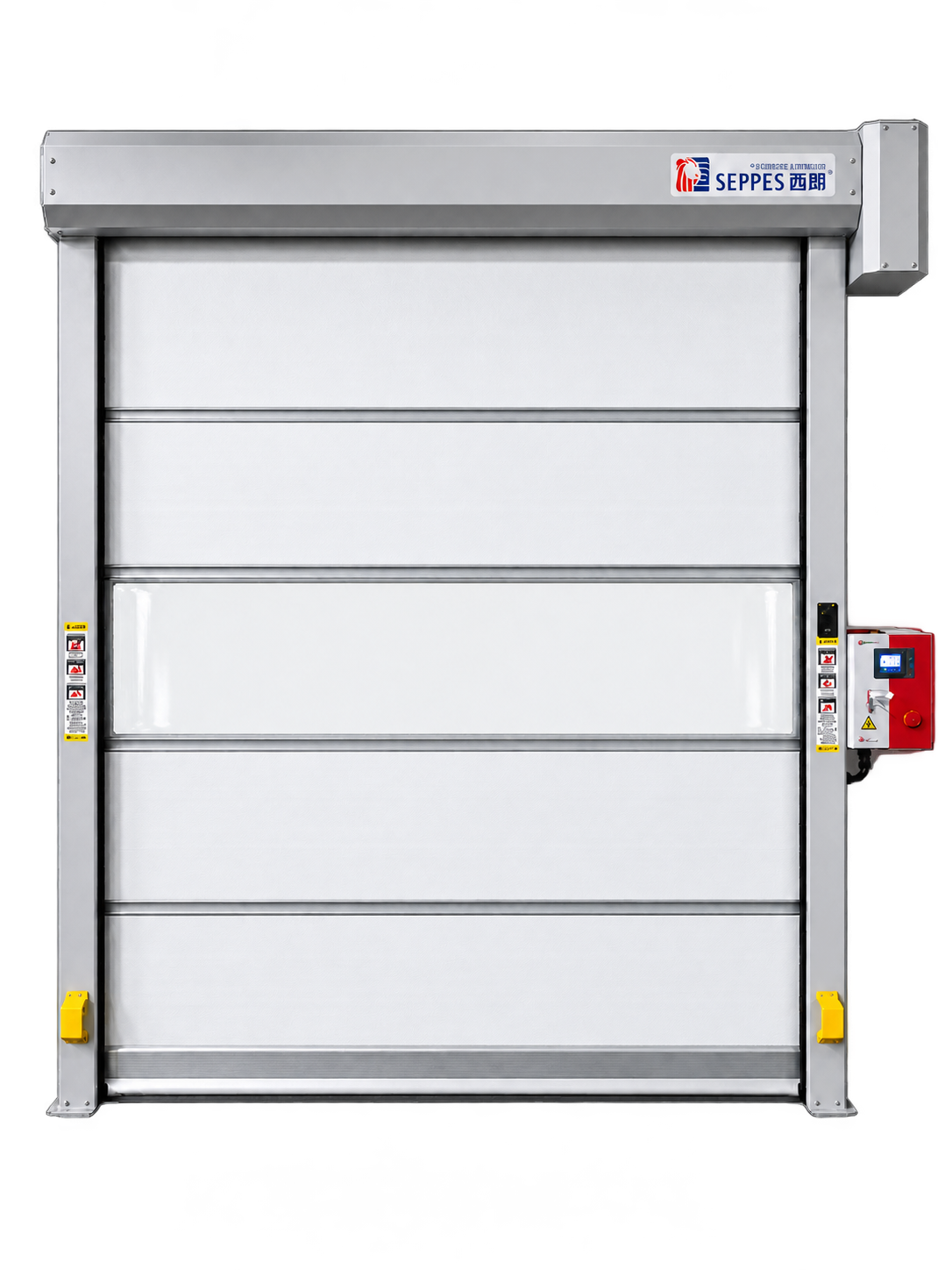
02SEPPES brush-sealed PVC high speed door with a white curtain and vision panels

PVC CURTAIN · BRUSH-SEALED

PVC
High Speed Doors

Applications
Warehouse passages; packaging workshops; logistics centers.
Function
A flexible PVC curtain opens vertically for daily goods traffic.
Key advantage
Replaceable brush seals simplify routine guide maintenance.
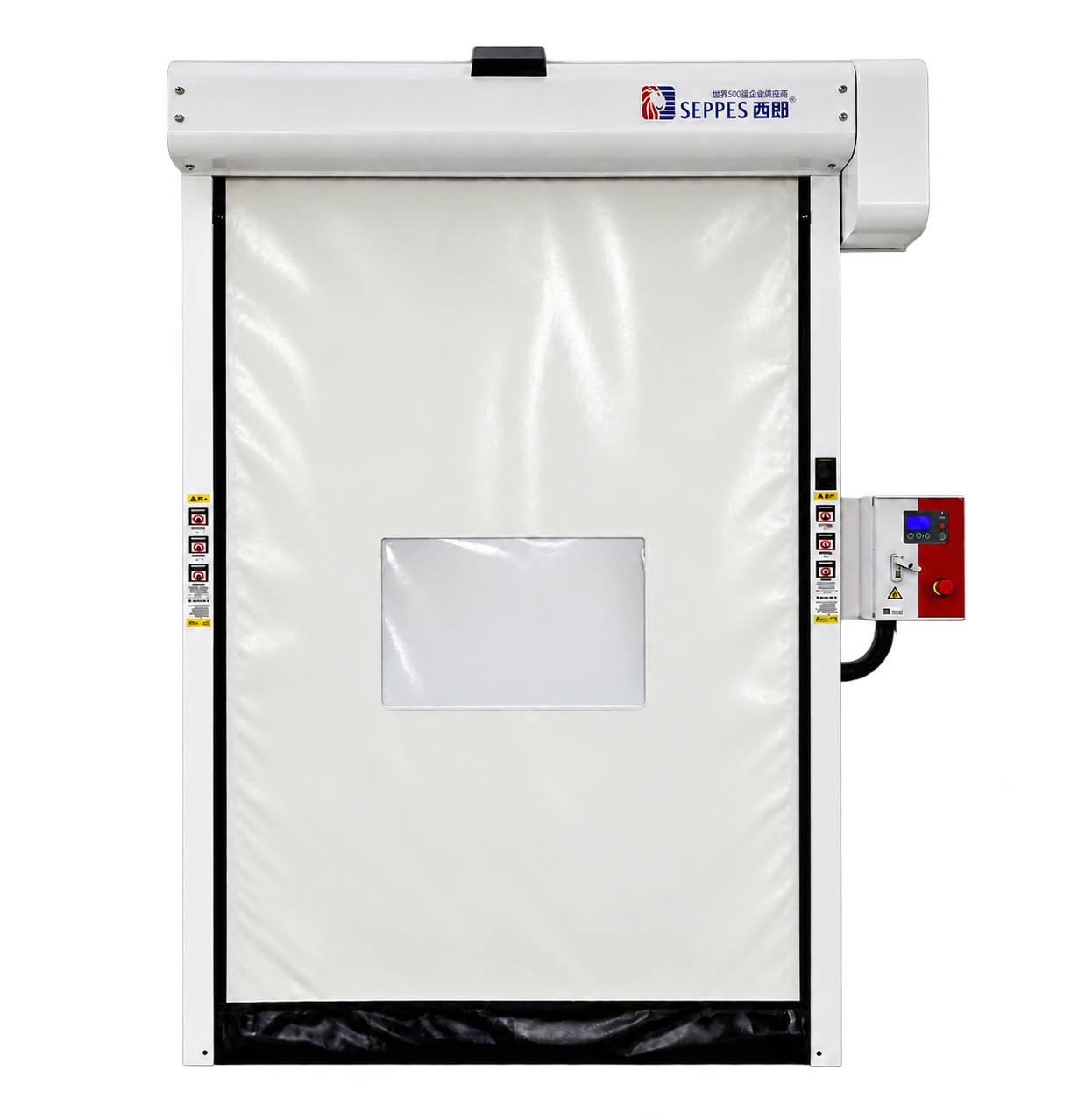
03SEPPES zipper-guided high speed door with a white curtain and vision panel

STANDARD BUILD · ZIPPER-GUIDED

Self-Repairing
High Speed Doors

Applications
Cargo air showers; electronics workshops; material buffer rooms.
Function
Zipper guidance with curtain reinsertion on equipped models.
Key advantage
Helps restore access after recoverable curtain dislodgement.
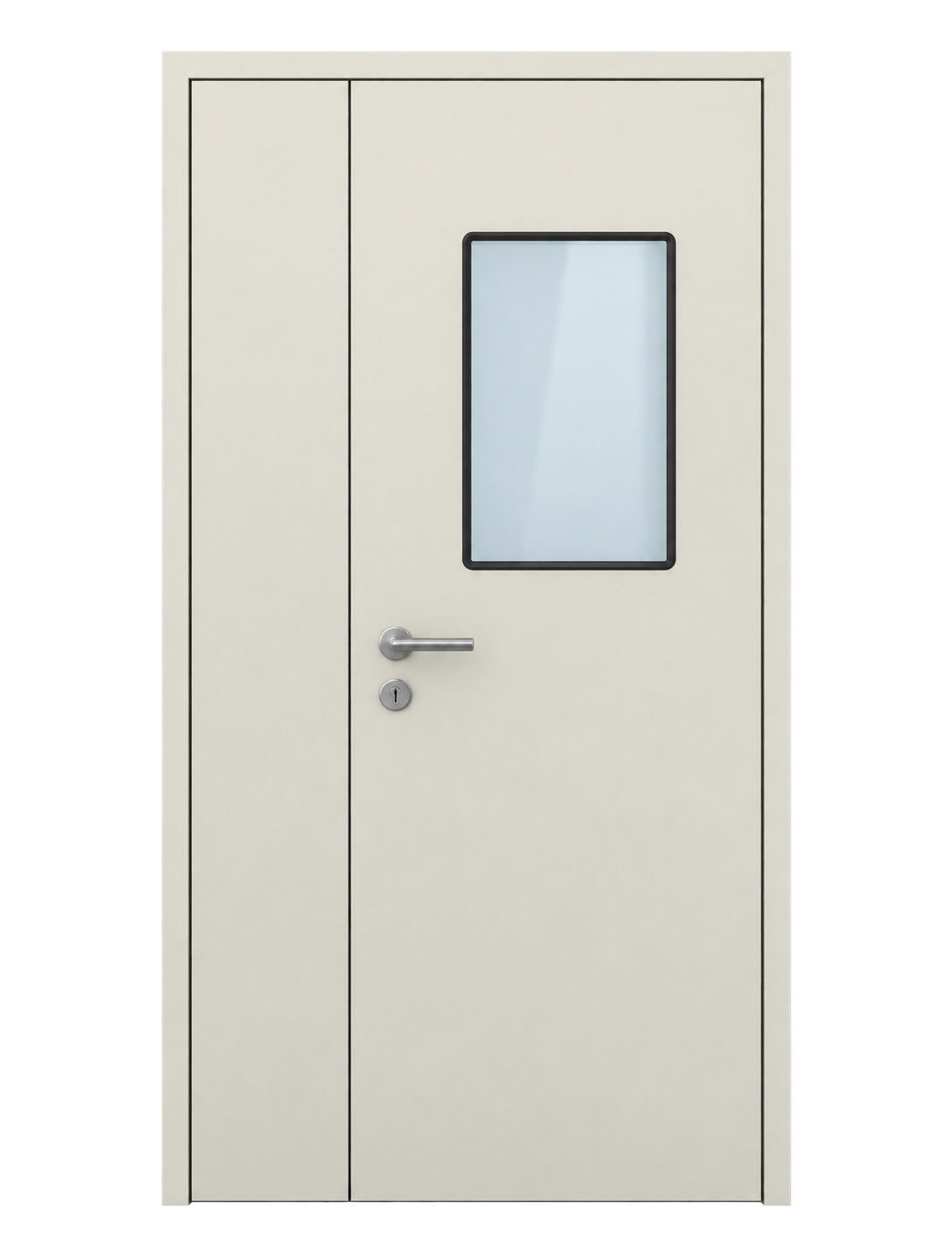
04Cleanroom swing door with an observation window and handle, product visualization

HINGED · PERSONNEL ACCESS

Cleanroom
Swing Doors

Applications
Personnel air showers; changing rooms; cleanroom corridors.
Function
Side-hinged opening for walk-through access between rooms.
Key advantage
Locks, closers and viewing-window options for managed staff entry.
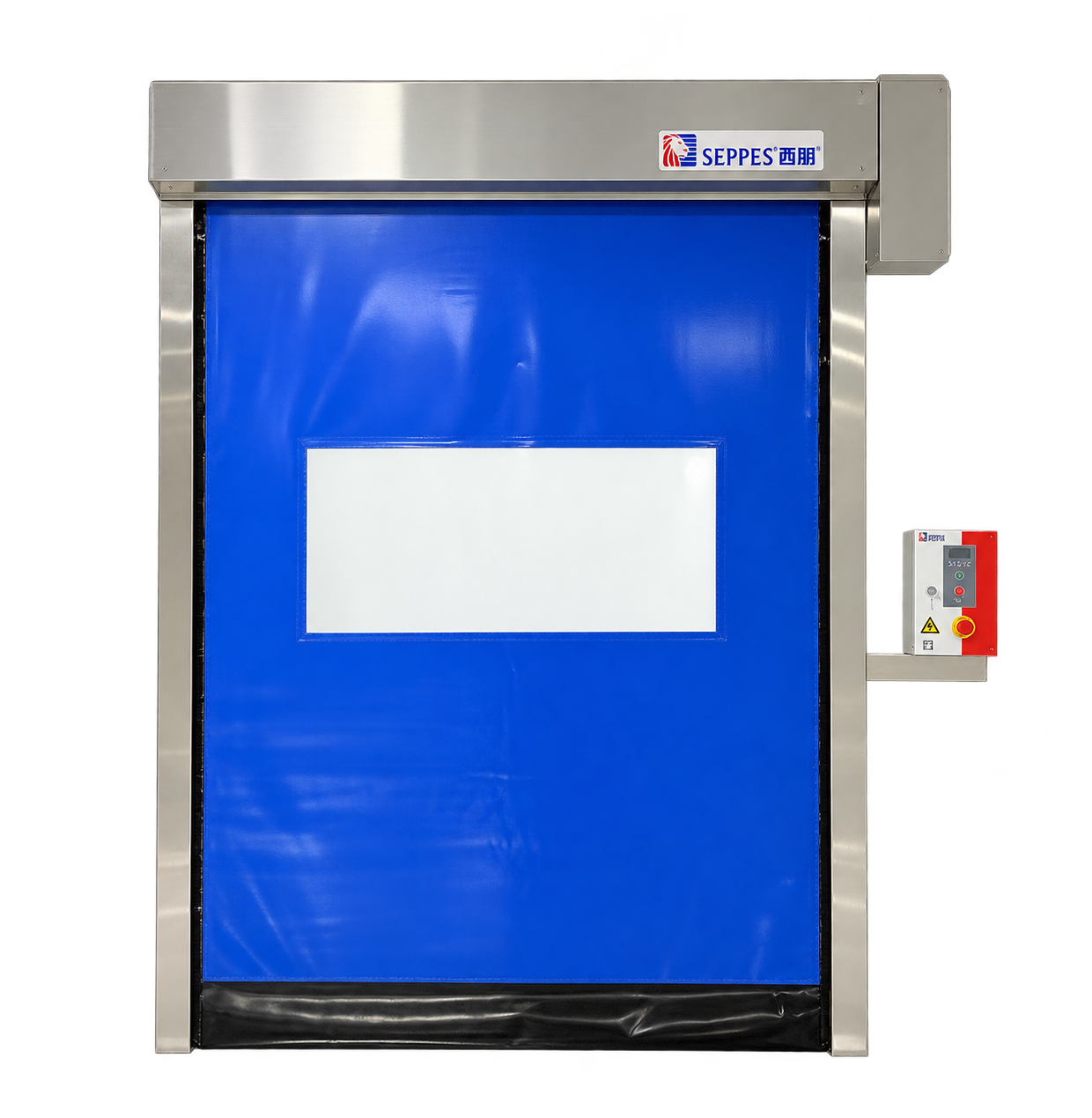
Blue cleanroom high speed door with a stainless steel head cover and yellow-bordered vision panel

High speed door installation

PHARMACEUTICAL / PROJECT CASE STUDY

Cleanroom Door Case Study

A Well-Known Pharmaceutical Company

Taizhou, Zhejiang

DOOR USED

Cleanroom high speed door

A 1.2 mm curtain installed in a pharmaceutical cleanroom with a specified 30 Pa pressure differential.

SOLUTION

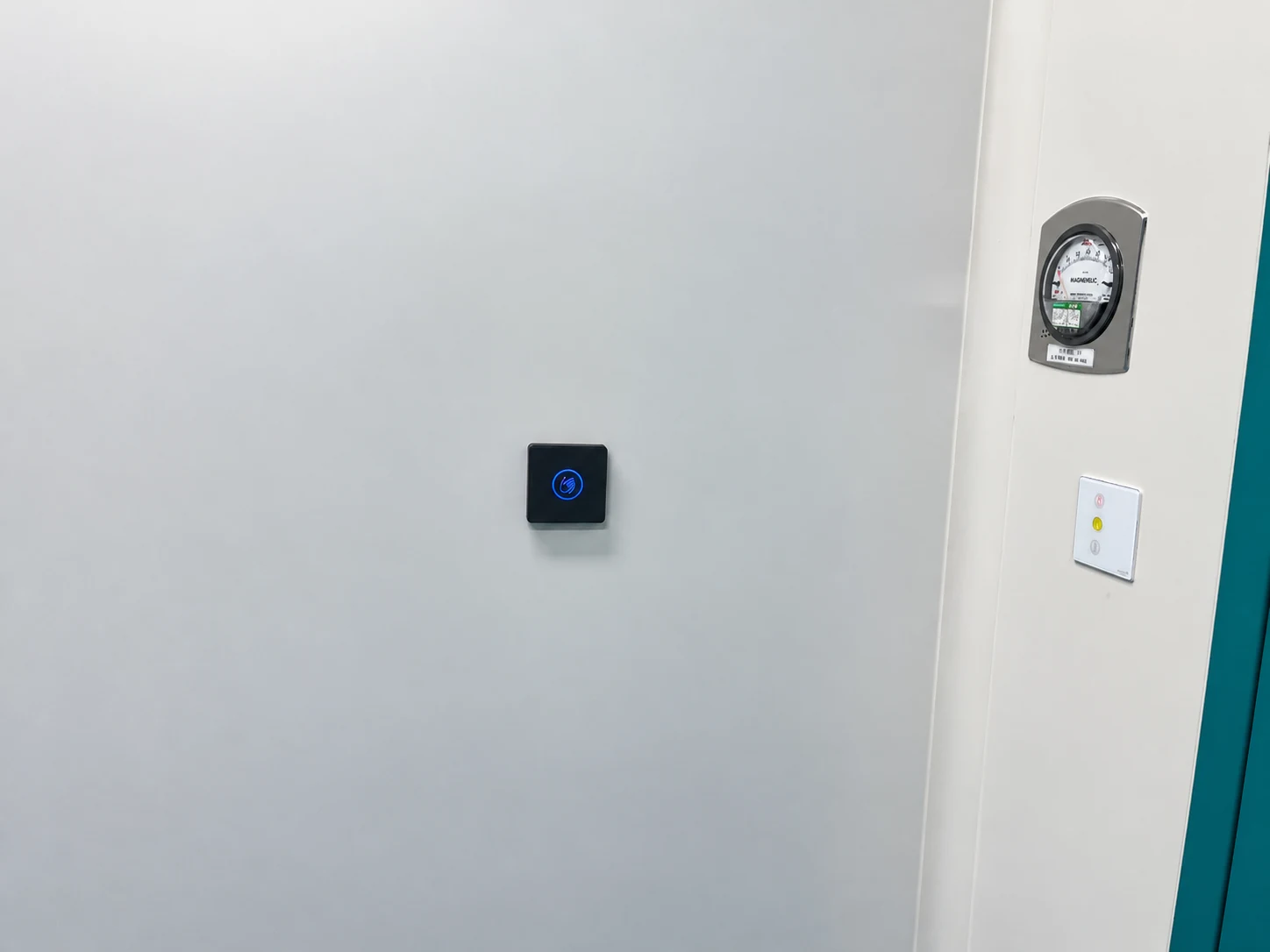
Interlocked, touch-free access

Interlocked with the steel door, with a manual override knob, a contactless switch and backup power. Stainless steel plates close the gaps above the door.

PROJECT NEEDS ADDRESSED

Coordinated entry & header-gap closure

The configuration addresses door sequencing, contact with opening controls and gaps at the door head, with backup power provided for power interruptions.

02 / SPECIFIED AROUND YOUR PROCESS

How to Choose
a Cleanroom Door

When selecting industrial cleanroom doors, consider the traffic route, cleaning process and operating sequence. Gather the details below before confirming a door configuration.

  1. Define what needs to move.

    Identify people, carts, pallets or automated equipment. Record the largest load, traffic direction, opening frequency and the visibility needed on each approach.

  2. Measure the full opening.

    Provide the clear width and height, wall construction, side space and headroom. Include a floor plan or photographs showing adjacent routes and equipment.

  3. Review the environment.

    Describe the cleaning method, chemicals and any pressure requirements. Specify the component materials and request relevant model-specific evidence.

  4. Coordinate the controls.

    Define activation, safety detection, interlocks and equipment signals. Confirm the door-state feedback and the response needed when a fault occurs.

BEFORE YOU SPECIFY

Door Selection
FAQs

Find the right starting point for your cleanroom door selection.

Which types of cleanroom doors should I compare?

Select clean room doors around the traffic route. High speed roll up doors are a starting point for frequent material transfers; swing doors suit personnel routes where the opening direction and swing space fit the layout. Review the cleaning method, perimeter seals, controls and available clearances for each opening.

What is the difference between brush and zipper guidance?

Brush-guided and zipper-guided doors use different side-guide arrangements. Compare access for maintenance, curtain guidance and the perimeter construction. If leakage performance matters to your project, request evidence for the proposed model with its test conditions.

Does a stainless steel door automatically meet my cleaning requirements?

Specify the stainless steel grade and identify which components require it, including guides, housing, fasteners and control enclosures. Share the cleaning chemicals and method so the curtain, seals, controls and materials can be reviewed as a complete assembly.

What does self-repairing mean for a high speed door?

It refers to the curtain reinsertion function available on the specified model. Confirm the reset sequence, operating conditions and inspection procedure after an impact. Damaged curtain fabric or hardware may still need maintenance or replacement.

Can the doors work with interlocks or automated equipment?

Include the required operating sequence in your enquiry. Identify the opening request, safety detection, door-open confirmation, interlocks and fault response. The available control interfaces are confirmed for the selected door and controller.

What do you need to prepare a quotation?

Provide the clear opening width and height, quantity, project country and traffic type. Add the wall construction, side space, headroom and cleaning requirements when known. A drawing, door schedule or site photographs help define the proposed configuration.

03 / LET’S DEFINE YOUR OPENING

Request a
Project Quote

Tell us what needs to move, and where. Start with the details you know; we can help you work through the rest.

  1. 01 Share your opening requirements
  2. 02 Review the suitable configuration
  3. 03 Confirm the project specification

Start your project brief

Fields marked * are required.

Add technical requirements (optional)

Prepare an email draft for leo@seppes.com.cn. Review it and attach drawings in your email app before sending.

Blank Form (#13)

Start Customizing Your Industrial Door

Let's have a chat