
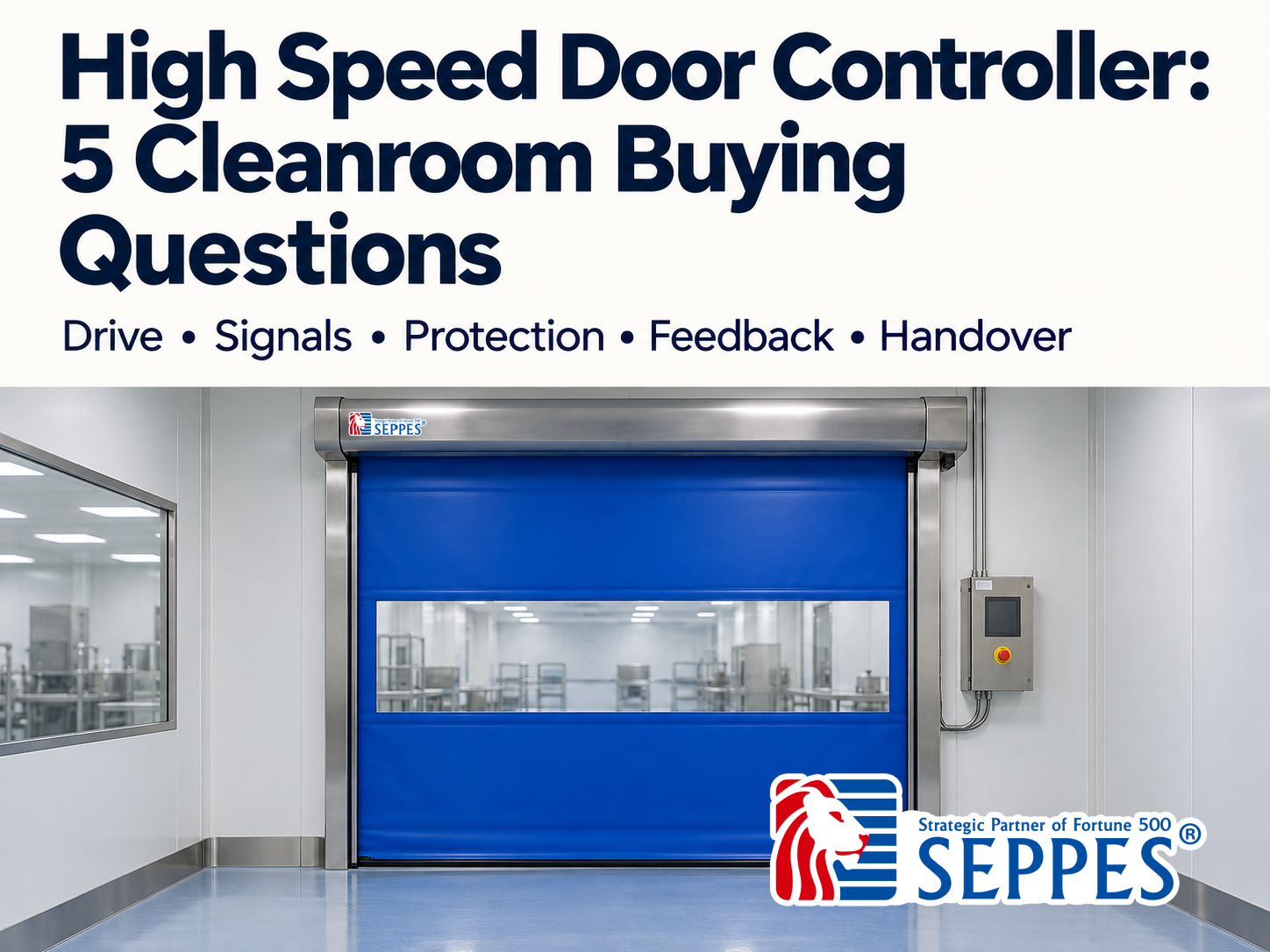

A high speed door controller should be evaluated as part of the complete cleanroom roll-up door. A control panel may look straightforward, yet the purchasing decision reaches beyond its buttons and display. Buyers need to understand which drive it controls, which signals it accepts and what information the finished door can return.
Consider a hypothetical material corridor where covered trolleys pass through a flexible PVC curtain door throughout the shift. Two quotations may both mention automatic operation, but include different sensors, interfaces and commissioning support. These five questions help you compare the actual scope before approving a SEPPES door package.
1. Is the High Speed Door Controller Matched to the Door?
Begin with the proposed door model, opening dimensions and expected operating pattern. Ask the supplier to identify the high speed door motor and its associated drive, position feedback and controller. The quotation should make clear which components form the supplied package and which items belong to the site installation.
SEPPES describes a servo configuration in its cleanroom-specific door brochure. When reviewing a high speed door servo control system, ask for the configuration offered for your opening. The high speed door motor, drive and feedback arrangement should be identified together; a component label alone does not describe the complete operating setup.
Request a plain-language explanation of the intended opening and closing behavior. Include the usable opening, stopping positions and the operating pattern expected during a busy shift. Discuss these requirements with the supplier before manufacture, so that the proposed configuration can be reviewed against the actual door and route.
For a high speed door controller supplied with several doors, keep each opening’s configuration identifiable. If one quotation includes a high speed door servo control system and another describes a different drive arrangement, compare the documented scope, service needs and intended application before comparing the price.
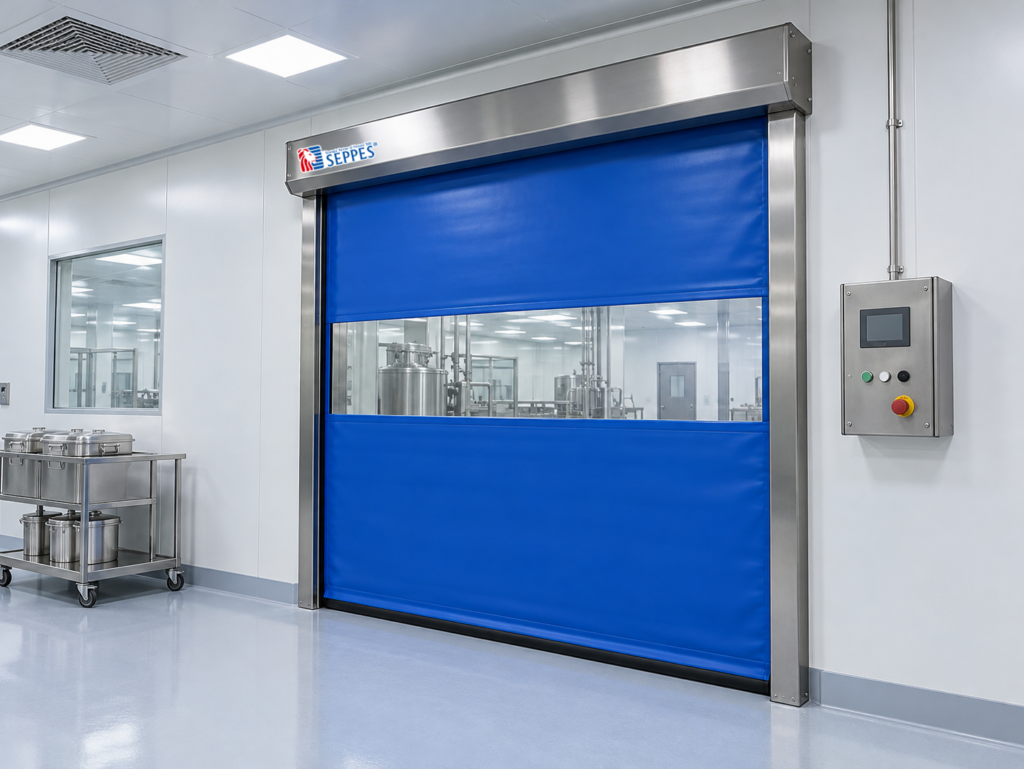
2. Which Signals Request Opening, and Which Protect the Passage?
Give each proposed device a specific job. High speed door sensors may be selected for different purposes, so the enquiry should describe whether a device detects an approach, monitors a protected area or contributes another signal. Ask the supplier to identify the function and limitations of each selected device.
In the trolley example, a request could originate from a contactless activation device. That request still needs to be considered alongside the agreed permissions and protective functions. Describe what should happen when the route is available, when another condition prevents opening and when the request remains active.
Ask how the high speed door controller distinguishes these conditions. A useful control description names the input, explains its purpose and identifies the expected response. It should also clarify who supplies external devices and who confirms that their signals are compatible with the proposed door package.
Review high speed door sensors against the real approach route. Include turning movements, people walking alongside a trolley and nearby traffic that should not request opening. These observations give the supplier specific conditions to assess when proposing the device selection and placement.

3. What Evidence Supports the Protective Functions?
Discuss high speed door safety through the functions included in the proposed assembly. Ask which protective devices connect to the high speed door controller, what each device is intended to detect and which documents describe its interaction with door movement.
The UK’s HSE guidance on powered doors emphasizes that safety depends on how components work together in their operating environment. This is useful background for reviewing the complete installation; applicable requirements still depend on the project location.
For procurement, request a demonstration plan from the responsible supplier or installer. Have the plan identify the proposed functions, the evidence to be recorded and the person responsible for resolving an unsatisfactory result. Agree how outstanding items will be closed before operational acceptance.
Make high speed door safety documentation part of the quotation review. Ask what the high speed door controller reports when a protective device needs attention, and which operating instructions apply. The buyer should be able to trace an offered function to a named component and a documented response.
4. What Will Operators and Connected Equipment Know?
Start with the information people need at the doorway. Ask whether the high speed door controller can distinguish normal operation, an unavailable opening request and a fault requiring assistance. Confirm the proposed display or indicators, the language used and the instructions available to the operator.
For connected equipment, define each requested status separately. A command to open and confirmation that the opening is available describe different events. Ask what generates the confirmation, what conditions it represents and how the receiving equipment should interpret it within the agreed sequence.
Prepare a short interface schedule covering the signal name, meaning, source, recipient and responsible party. Include any requested indication for a closed door or a fault. Have both suppliers review the schedule where another machine or building system is involved; supported interfaces must be confirmed for the selected model.
Keep the high speed door controller discussion grounded in observable behavior. During review, ask the supplier to walk through a normal request, a request that cannot proceed and a reported fault. The same examples should make sense to the operator, project engineer and commissioning team.
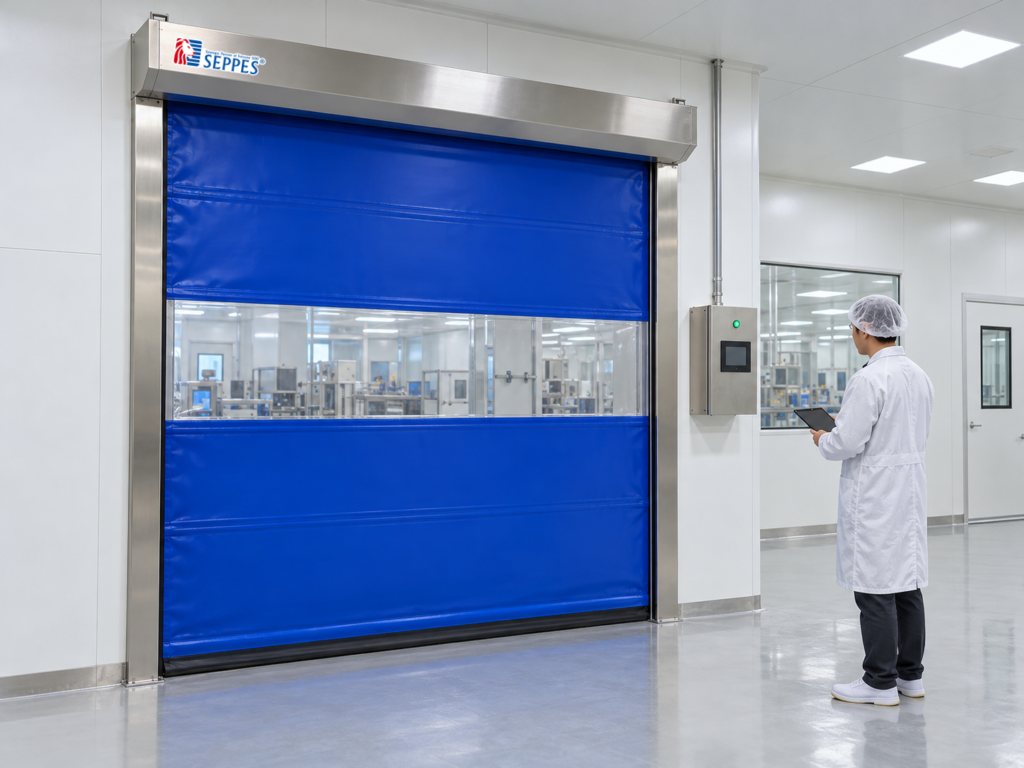
5. What Comes with Setup and Handover?
Before placing the order, define what the high speed door controller documentation will include. Useful requests cover the component schedule, approved operating description, model-specific instructions and the final configuration record. State whether these items are included in the quoted supply or require a separate service.
Confirm who will configure the door on site, who will demonstrate its operation and who will train the designated users. Agree the language and format of the handover material. For multiple openings, use a consistent door identifier so that records can be matched to the installed equipment.
Ask how the high speed door controller settings and service history will remain traceable after handover. Where the selected model supports configuration backup, confirm how it is provided and restored by authorized personnel. Record the support contact and the information needed when reporting an issue.
An effective purchasing review ends with clear responsibilities. The door supplier, site installer and any external controls provider should understand their own deliverables. Resolve exclusions before the order is released, particularly where the quotation assumes that another party will supply devices, complete interfaces or perform commissioning.
Bring the Door and Controls into One SEPPES Enquiry
Choose a high speed door controller together with the flexible curtain door it will operate. Send SEPPES your opening dimensions, expected traffic and a short description of the required sequence. Add the external signals you need, the information operators should see and the documentation expected at handover.
Explore SEPPES cleanroom door systems and access solutions to discuss a complete door package. Use the five questions above to turn general requests for automation into specific items that can be confirmed in the proposal.
