
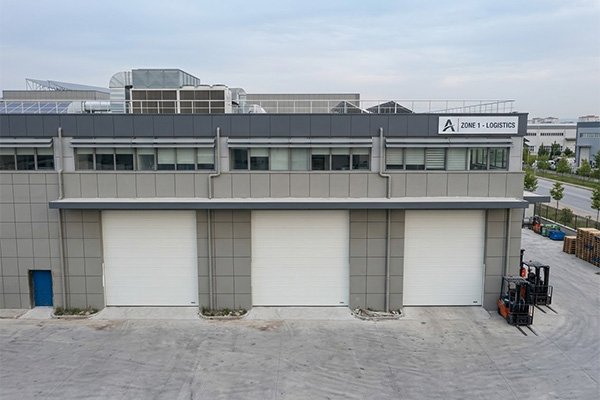

In the demanding world of industrial infrastructure, the longevity and performance of facility components are paramount. Among these, the industrial door serves as a critical gateway, facilitating logistics while maintaining environmental control. However, standard door finishes often fall short when faced with aggressive atmospheric conditions. This is where Baking Varnish Industrial Sectional Doors emerge as a superior solution, offering unparalleled protection and aesthetic versatility.
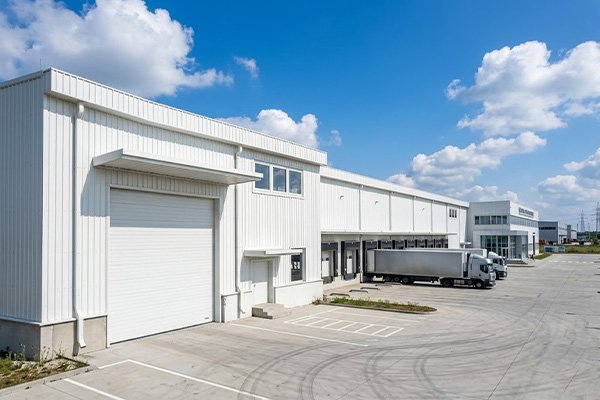
Why Baking Varnish Industrial Sectional Doors Are Essential for Modern Facilities
Baking Varnish Industrial Sectional Doors represent a significant technological leap over traditional galvanized steel finishes. While galvanization provides a basic layer of zinc protection, it remains susceptible to oxidation and “white rust” when exposed to constant moisture or chemical vapors.
The baking varnish process involves applying a specialized liquid or powder coating to the door panels and hardware, which is then cured in high-temperature industrial ovens. This thermal treatment triggers a chemical cross-linking reaction, resulting in a dense, hard, and non-porous finish that adheres at a molecular level to the substrate.
1. Superior Corrosion Resistance in High-Humidity Zones
The primary advantage of Baking Varnish Industrial Sectional Doors is their exceptional resistance to corrosion. In environments such as:
Coastal Warehouses: Where salt-laden air accelerates metal degradation.
Food Processing Plants: Where daily wash-downs and high steam levels are standard.
Chemical Storage Facilities: Where corrosive vapors can eat through standard coatings.
The baking varnish acts as an impenetrable barrier, preventing moisture and oxygen from reaching the underlying steel, thereby extending the service life of the door by decades compared to standard finishes.
2. Ensuring Consistent Door Operation
Operational downtime in an industrial setting can lead to significant financial losses. Standard doors in humid environments often suffer from “track drag” or hinge seizing due to surface oxidation. By utilizing Baking Varnish Industrial Sectional Doors, facility managers ensure that every moving part remains smooth. The coating provides a low-friction surface that resists the buildup of grime and oxidation products, ensuring the lift mechanism operates at peak efficiency without putting undue strain on the motor or spring system.
3. Structural Integrity and Aesthetic Customization
Beyond protection, the baking varnish process allows for a level of customization that standard galvanized steel cannot match. These doors can be finished in a wide array of RAL colors, allowing companies to align their facility’s exterior with corporate branding. More importantly, the finish is highly resistant to UV radiation, ensuring that the color does not fade or chalk over years of sun exposure, maintaining the professional appearance of the building.
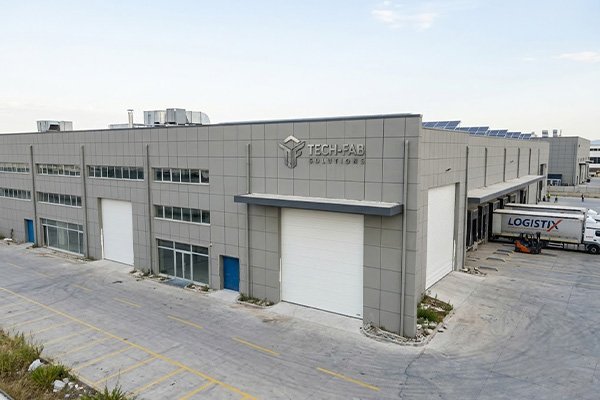
Technical Comparison: Baking Varnish vs. Standard Galvanized Finish
| Feature | Standard Galvanized Finish | Baking Varnish Finish |
| Moisture Resistance | Moderate (Subject to white rust) | Exceptional (Hydrophobic barrier) |
| Chemical Resistance | Low | High |
| Surface Hardness | Variable | High (Scratch and impact resistant) |
| Color Options | Industrial Grey/Silver | Full RAL Spectrum |
| Maintenance Needs | High in humid areas | Low / Easy to clean |
| Operational Lifespan | 5–10 years in humidity | 20+ years in humidity |
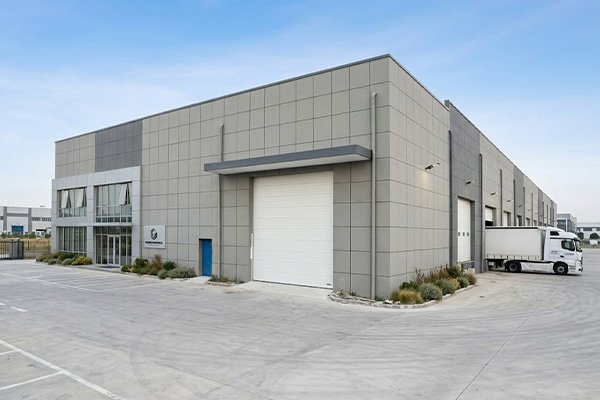
Strategic Applications for Baking Varnish Industrial Sectional Doors
When specifying doors for a new project or a retrofit, it is vital to match the material science to the site conditions. Baking Varnish Industrial Sectional Doors are the recommended standard for several high-stakes sectors:
Cold Storage and Logistics
In cold storage, the temperature differential between the interior and exterior often leads to heavy condensation. A standard door will quickly show signs of rust at the joints and panel seams. The sealed edges of a baking varnish panel prevent moisture ingress, maintaining the thermal efficiency and structural soundness of the door.
Automotive and Manufacturing
Manufacturing floors often deal with airborne particulates and varying temperatures. The smooth, hard surface of a Baking Varnish Industrial Sectional Door prevents dust accumulation and is significantly easier to sanitize, making it ideal for clean-room adjacent environments or high-tech assembly lines.
Car Washes and Water Treatment
Perhaps the most extreme environments for metal components, these facilities require the maximum protection offered by baked coatings. The resistance to constant water contact and cleaning chemicals makes this finish the only viable long-term choice to prevent premature mechanical failure.
Conclusion: Investing in Long-Term Reliability
Choosing Baking Varnish Industrial Sectional Doors is an investment in the “Total Cost of Ownership” (TCO). While the initial capital expenditure may be higher than a basic galvanized door, the reduction in maintenance costs, the avoidance of operational delays, and the significantly longer replacement cycle provide a much higher Return on Investment (ROI).
For any facility operating in high-humidity or corrosive conditions, the transition to baking varnish technology is not just an upgrade—it is a necessity for ensuring consistent, safe, and efficient operations.
