
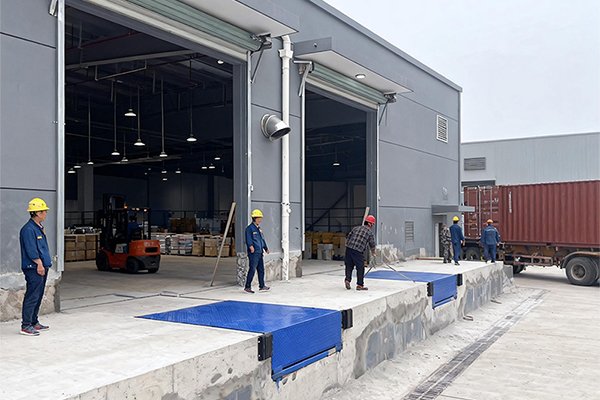

A hydraulic dock leveler is a robust bridge between a loading dock and a transport vehicle, ensuring smooth and safe goods transfer through automated hydraulic control.
In the fast-paced world of logistics and supply chain management, minimizing downtime is the key to profitability. A hydraulic dock leveler has become an indispensable asset for modern warehouses, providing a seamless transition between the loading dock and the trailer bed. Unlike manual alternatives, these systems utilize advanced hydraulic cylinders to lift the platform and extend the lip, offering unmatched reliability and ease of operation for heavy-duty applications.
Why Choose a Hydraulic Dock Leveler for Your Facility?
Investing in the right loading dock equipment is not just about moving boxes; it’s about safety, speed, and durability. Here is why the hydraulic dock leveler stands out:
1. Superior Ease of Use
With a simple push-button control, operators can raise, lower, and deploy the dock lip. This automation reduces physical strain on workers and speeds up the loading/unloading cycle significantly.
2. Enhanced Safety Features
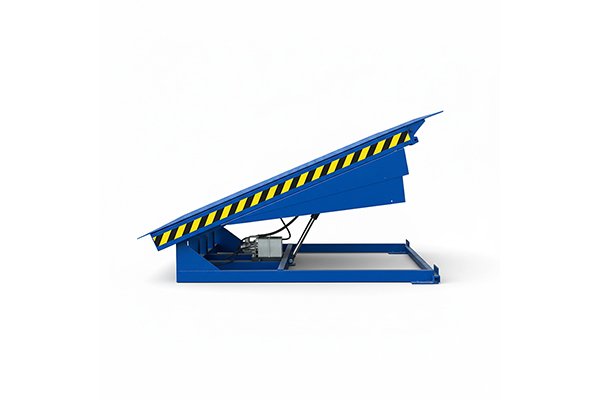
Modern hydraulic systems are equipped with safety velocity fuses that prevent the platform from falling if a truck pulls away prematurely. They also often include full-range telescopic toe guards to protect dock workers.
3. High Load Capacity and Durability
Designed to handle heavy forklifts and high-frequency traffic, these levelers are built with high-tensile steel. The hydraulic system is engineered to withstand the constant impact and structural stress of daily operations.
Key Technical Features of a Premium Hydraulic Dock Leveler
To ensure you are getting a high-quality product, look for these essential technical specifications:
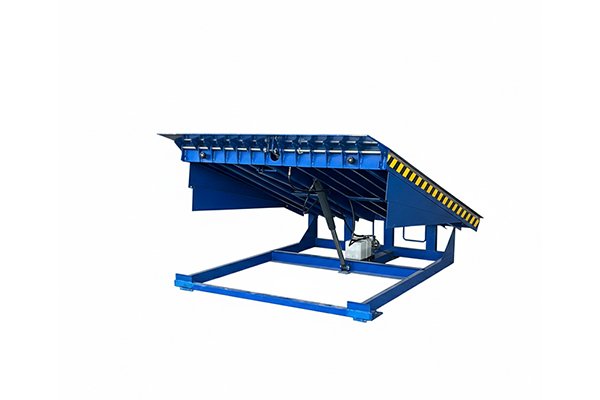
Heavy-Duty Hydraulic Cylinders: Look for dual-cylinder designs (one for the deck and one for the lip) to ensure balanced lifting and smooth extension.
Structural Integrity: A reinforced “C” or “I” beam deck support structure prevents “dishing” or warping over time.
Self-Cleaning Hinges: Lug-style hinges allow debris to fall through, reducing maintenance needs and extending the life of the lip mechanism.
Advanced Control Panels: Look for NEMA-rated control boxes that can be integrated with door openers and dock lights for a synchronized “master control” system.
Applications: Where is a Hydraulic Dock Leveler Most Effective?
While versatile, these platforms excel in specific environments:
High-Volume Distribution Centers: Where docks are in constant use 24/7.
Cold Storage Facilities: Where a fast, tight seal is needed to maintain temperature control.
Manufacturing Plants: For moving heavy raw materials and finished machinery.
E-commerce Hubs: Where speed and accuracy in parcel sorting are critical.
Maintenance Tips for Long-Term Performance
To get the most out of your hydraulic dock leveler, a proactive maintenance schedule is vital:
Check Fluid Levels: Regularly inspect the hydraulic oil levels and look for any potential leaks in the hoses.
Lubricate Moving Parts: Keep the hinges and pivot points greased to prevent friction and noise.
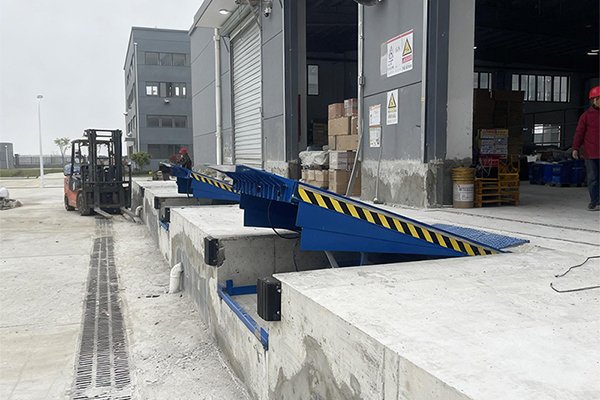
Clear the Pit: Ensure the area under the leveler (the pit) is free of debris that could obstruct the movement of the cylinders.
Annual Professional Inspection: Have a certified technician check the structural welds and electrical components once a year.
Conclusion
Choosing a high-quality hydraulic dock leveler is a strategic investment that pays off through increased throughput and a safer working environment. By bridging the gap between your warehouse and the world, these tools ensure that your logistics operations remain fluid and competitive.
