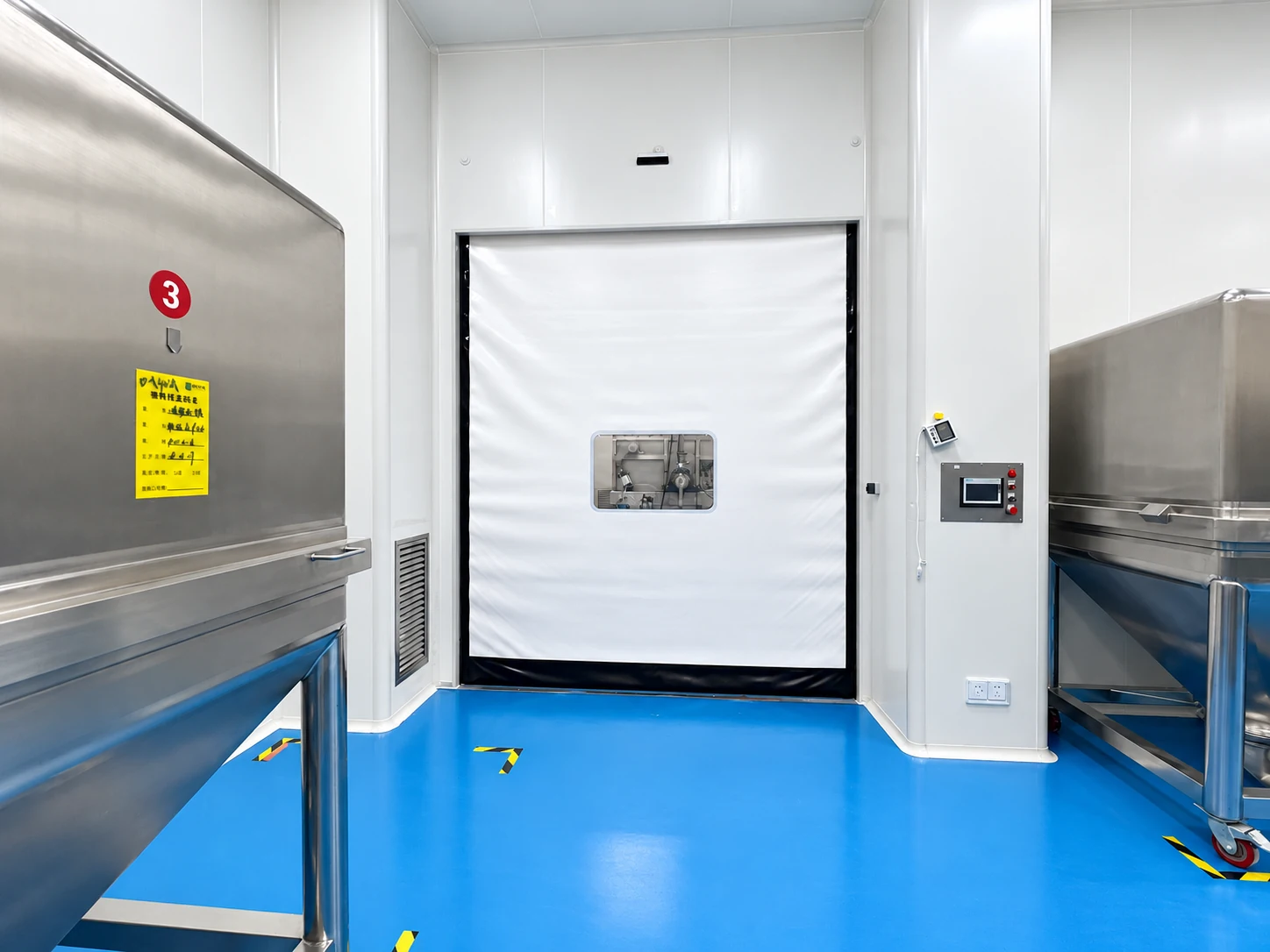
Custom cleanroom door solutions with a white passage door at a pharmaceutical process boundary

SEPPES / SOLUTION COLLECTION

Custom Cleanroom Door Solutions for Controlled Access

Cleanroom door solutions for the way your facility works. Connect pressure, door sequencing and traffic flow with the right access configuration.

01 / EXPLORE THE SOLUTIONS

Clean room door design.
Four core solutions.

Start with the main job of the opening. Review four solutions with installation and control references.

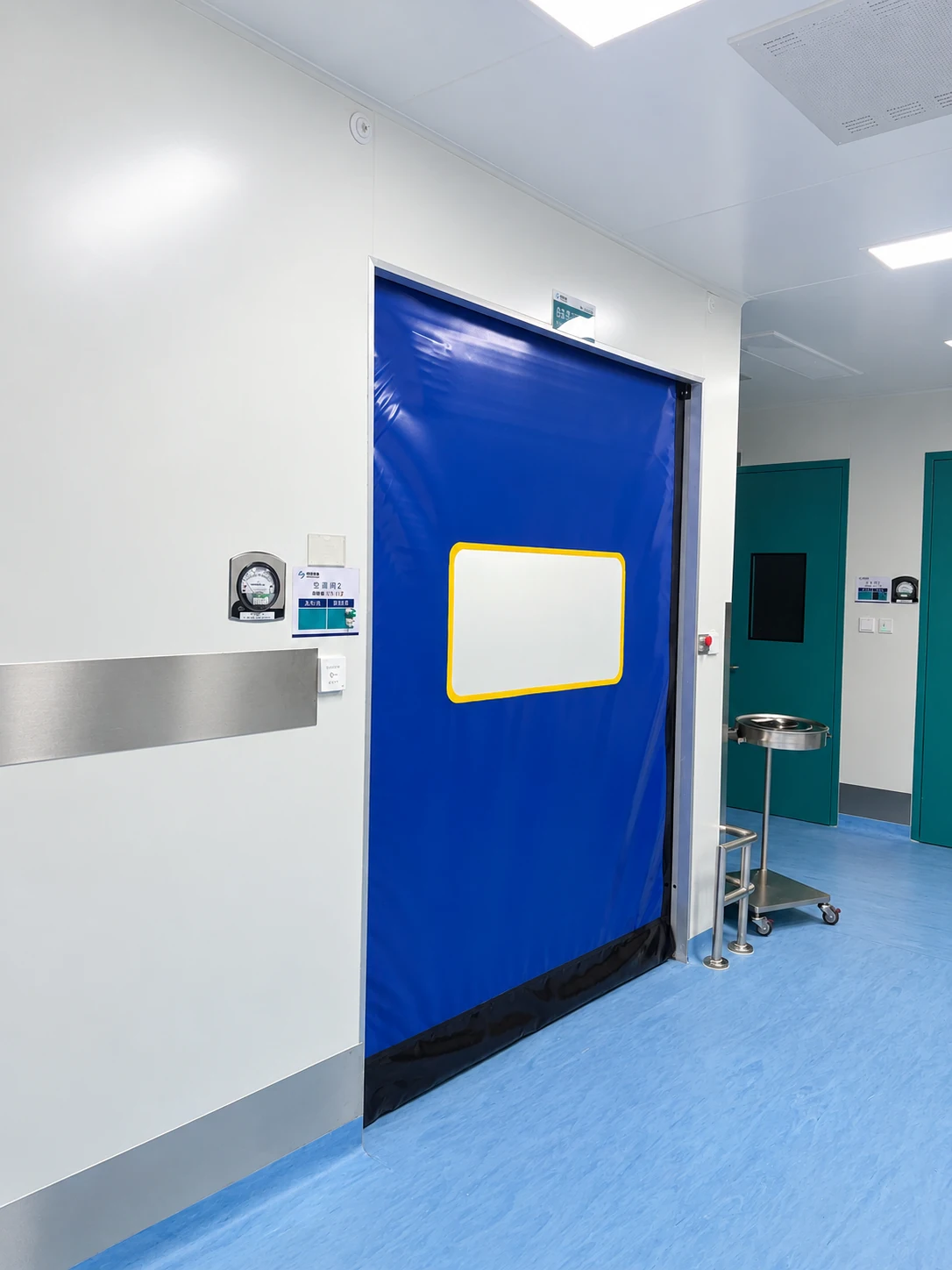
Retouched installation photograph of a blue cleanroom door beside a room pressure gauge

Pressure & sealing

Cleanroom pressure differential

Coordinate the door perimeter, seals and opening time with the specified room pressure. Review cleaning compatibility and leakage evidence for the proposed assembly.

Clean room door seals · pressure boundary

A pharmaceutical doorway installed beside a room pressure gauge. Confirm the seal arrangement against the project pressure requirement.
Explore pressure control
Retouched pharmaceutical cleanroom photograph showing two high speed doors and adjacent personnel entrances

Interlocks & airlocks

Clean room door interlock system

Coordinate linked doors around the permitted opening sequence. For an airlock, also confirm the transition space, door-state feedback and emergency release.

2 door interlock system · pharmaceutical case

Two doors serve a pharmaceutical transition area. Review which door may open and how the controller confirms the other is closed.

Explore the interlock solution
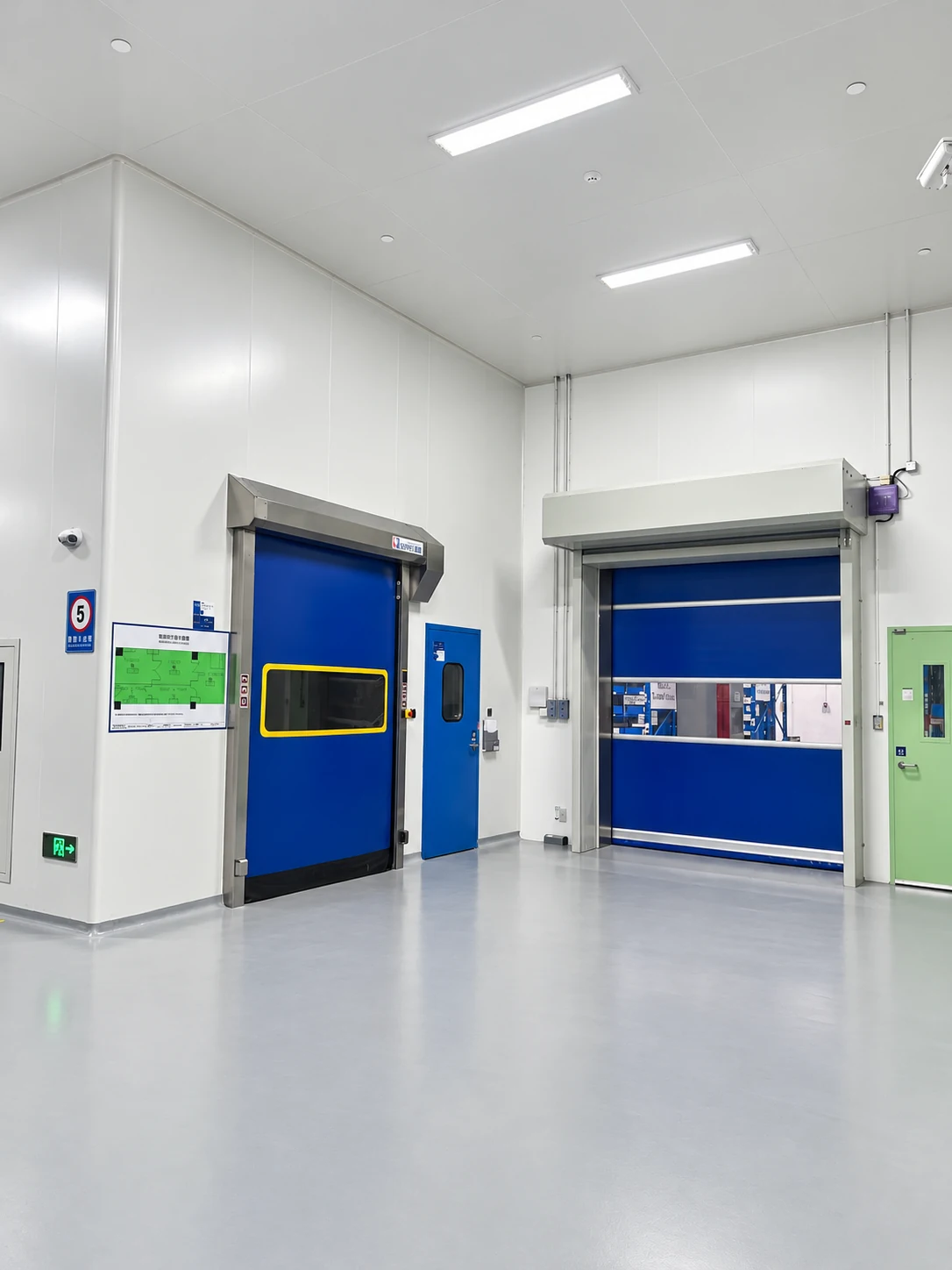
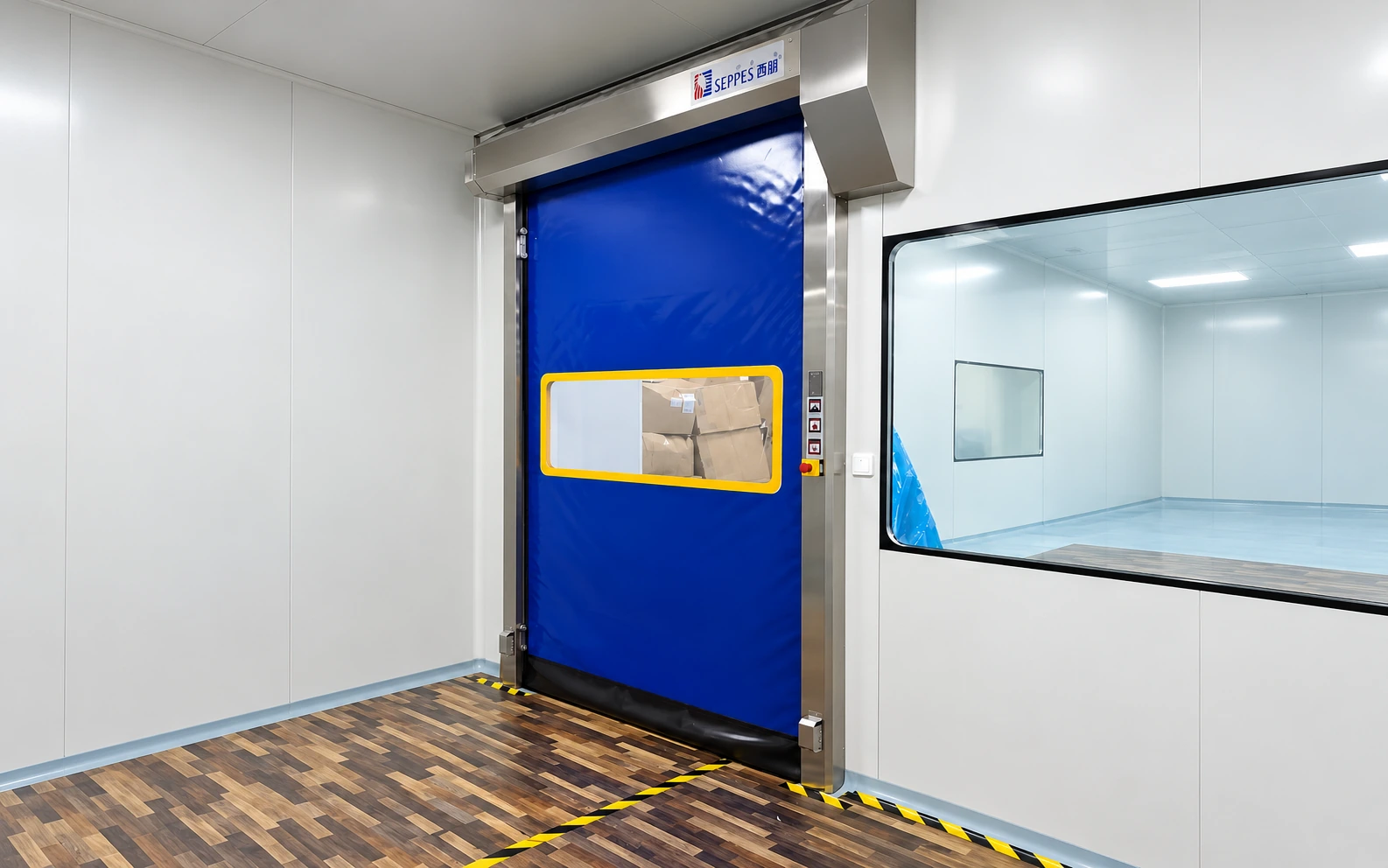
Restored photograph of hands free cleanroom doors with a blue curtain, yellow-bordered viewing panel and stainless steel frame

Non-contact entry

Hands free cleanroom doors

Request an opening without touching a switch. Coordinate the chosen activation method, access permissions and separate passage protection for the route.

Touchless automatic doors · non-contact entry

Blue high-speed door with a yellow-bordered viewing panel and stainless steel frame. Confirm the activation method and safety detection for the opening.

Discuss hands-free entry
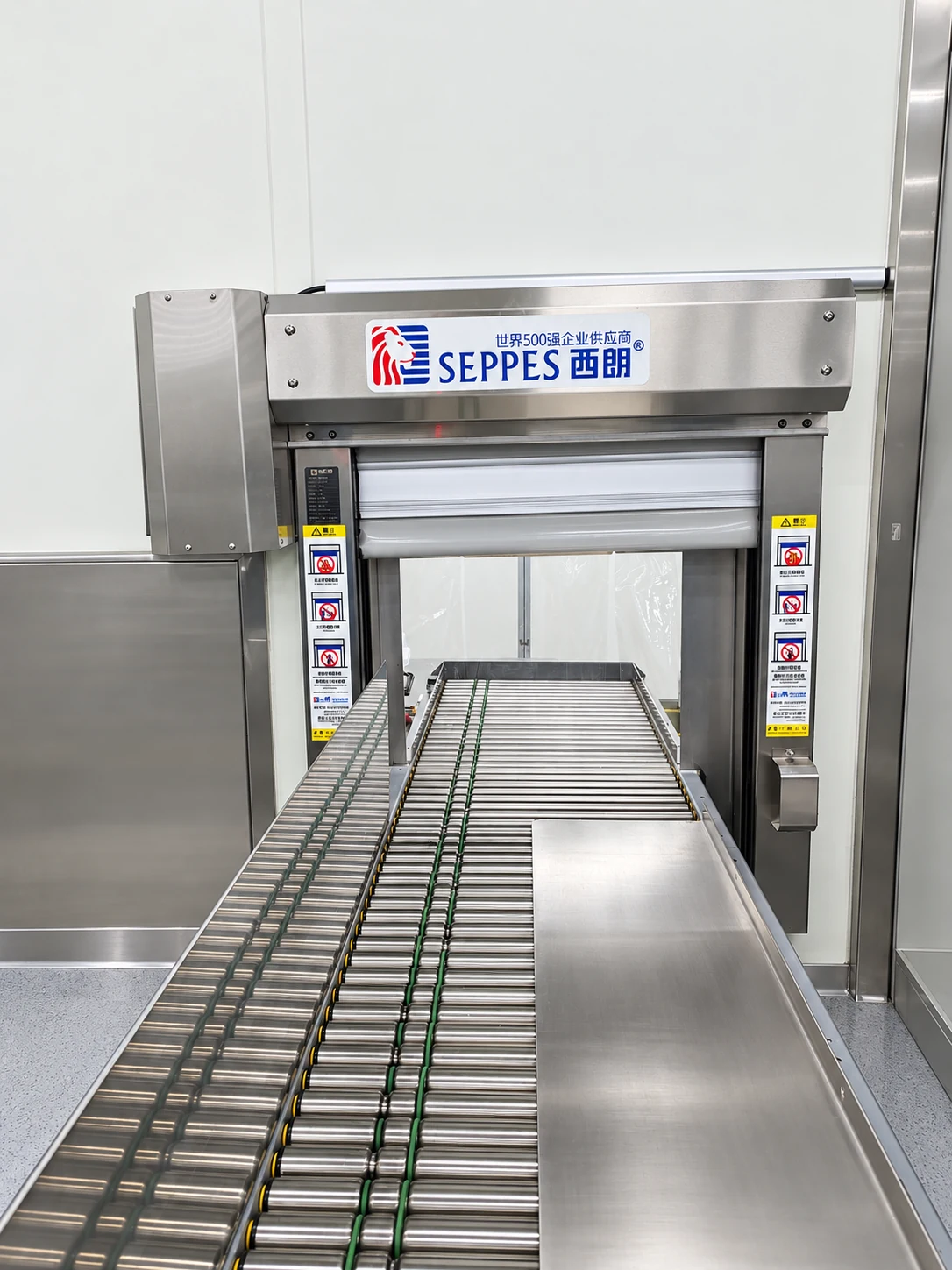
Retouched medical-products cleanroom door opening aligned with a roller conveyor

Automated transfer

Automated door systems

Connect the door to a conveyor or AGV using opening requests, door-open confirmation and a defined fault response. Match the clear opening to the load and equipment path.

Clean room conveyor doors · medical-products case

A roller-conveyor opening in a medical-products cleanroom. Review door operation together with the conveyor sequence and passage protection.

Discuss automated transfer

02 / MATCH THE REQUIREMENT

Cleanroom door specifications.
Match the requirement.

Use the opening requirement to choose a starting point. Confirm the door construction and controls for the actual route.

Your project needsStart withConfirm before selection
A defined room pressure boundaryPressure control
Door sealing
Pressure direction, perimeter details, cleaning compatibility and relevant leakage evidence.
A controlled transitionInterlocks
Airlock layout
Holding space, door-state feedback, the opening sequence and emergency release.
Opening without touching a switchNon-contact entryWho or what requests opening, the detection zone, permissions and separate passage protection.
Automatic movement of goodsConveyor transfer
Equipment signals
Load dimensions, door-open confirmation, equipment interfaces and the response to faults.

03 / CONNECT THE DOOR & THE SOLUTION

Types of cleanroom doors.
Match the opening.

Compare cleanroom roll-up doors for material routes and hinged doors for personnel access. Match controlled environment door solutions to the opening, then confirm materials, seals and controls.

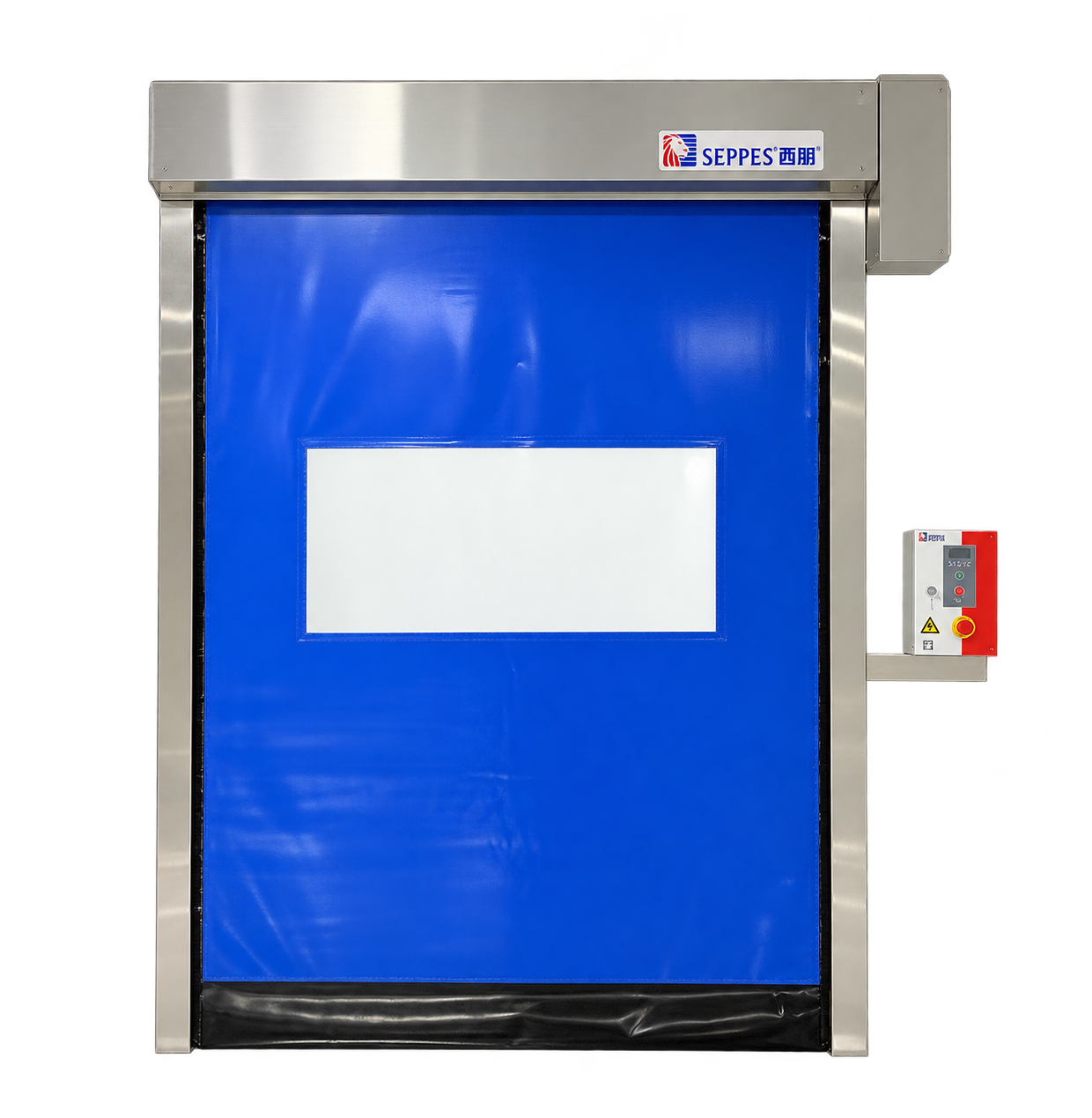
SEPPES stainless steel high speed door with a blue curtain

Stainless steel high speed door

For frequent material access where component materials and cleaning requirements need close review.

Explore this door
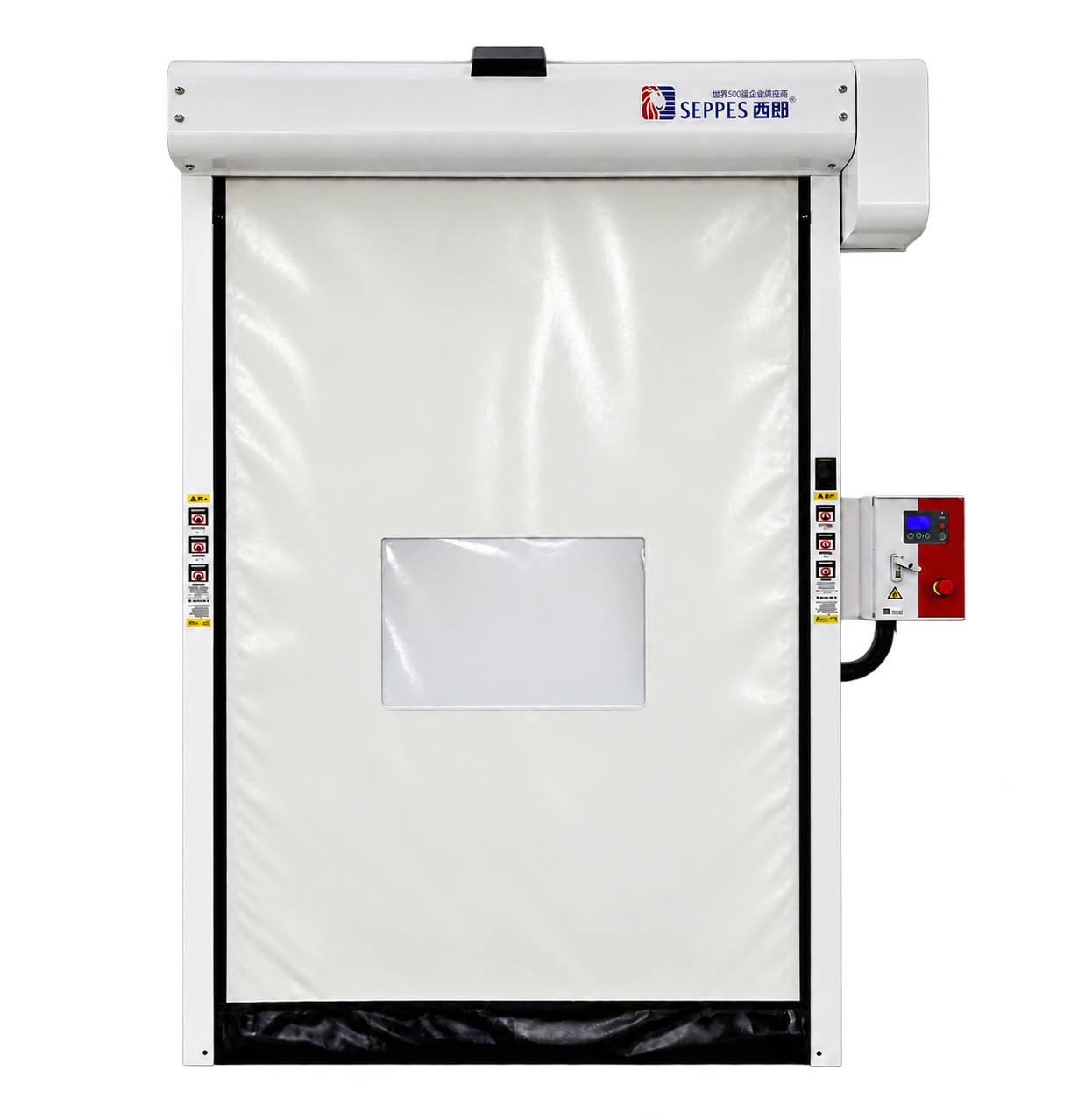
SEPPES brush-guided PVC high speed door with a white curtain

PVC High Speed Doors

For internal goods passages. Review brush guidance, curtain construction and the actual separation requirement.

Explore this door
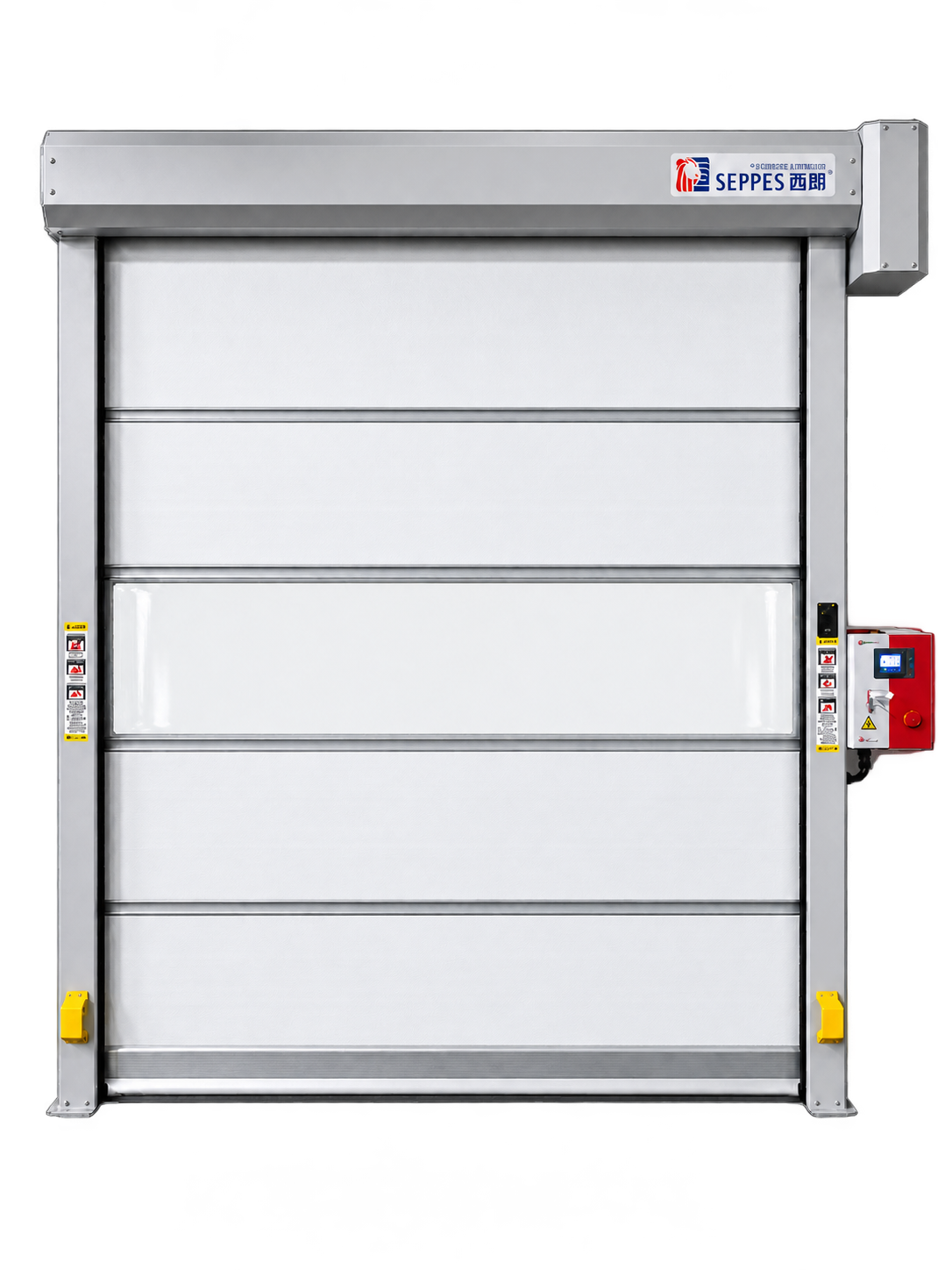
SEPPES zipper-guided self-repairing high speed door

Self-Repairing High Speed Doors

For material routes using zipper guidance. Confirm curtain reinsertion and controller options for the model.

Explore this door
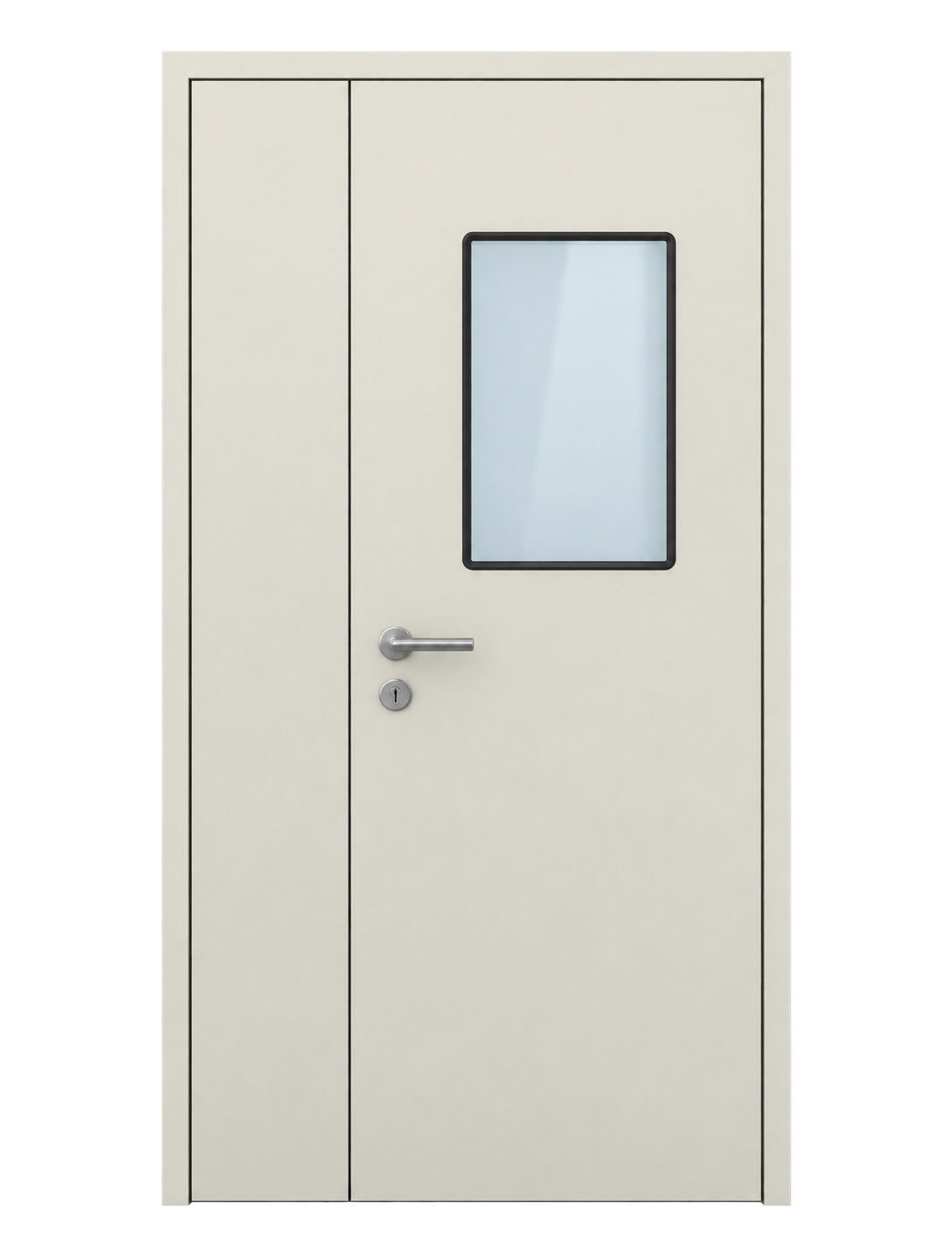
Cleanroom swing door with viewing window and handle, product visualization

Cleanroom Swing Doors

Compare cleanroom hinged doors for staff entrances and room transitions. Confirm door handing, hardware, closing and access permissions for the opening.

Explore this door

04 / PLAN THE COMPLETE OPENING

Cleanroom door installation.
From brief to configuration.

Define clean room door requirements before choosing a configuration. Bring the door, room layout and operating sequence into the same conversation so the project brief covers the complete opening.

  1. Cleanroom door specifications

    Identify the industry, room transition and what needs to move: people, trolleys, pallets or automated equipment. Show the busiest approach and any shared traffic.

  2. Clean room door design

    Share cleaning methods, component materials and specified pressure conditions. Request clean room door specifications for the proposed model, including its installation details and control interfaces.

  3. Automated control for doors

    Set out opening requests, linked-door conditions, safety detection, door-state signals and the required response to an interruption.

  4. Cleanroom door installation

    Measure clear width, height, side space and headroom. Review wall construction, sealing details, service access and the final door schedule before manufacture.

BEFORE YOU SPECIFY

Cleanroom door specifications.
Your questions answered.

For the scope of air cleanliness classification, refer to ISO 14644-1.

How do I choose between cleanroom door solutions?

Start with the purpose of the boundary: pressure management, a controlled opening sequence, staff entry or material movement. Record the traffic and cleaning conditions, then review the door construction and controls together. Several solutions may apply to the same opening.

What is the difference between an interlock and an airlock?

An interlock controls the permitted sequence between doors. An airlock is a transition space between zones. An airlock may use interlocked doors, but its layout, holding space and pressure design also need to be considered.

How do cleanroom doors maintain air pressure?

Door seals and opening sequences contribute to the room pressure strategy. Pressure also depends on the HVAC balance and adjacent spaces. Share the specified pressure difference and direction, request leakage evidence for the proposed model and coordinate the final design with the facility team.

How are automatic clean room doors connected to AGVs and conveyors?

Touchless personnel activation and equipment control involve different signals. For automated transfer, define the opening request, door-open confirmation, passage protection and fault response with the equipment supplier. The available interfaces depend on the selected door and controller.

What are the benefits of touchless cleanroom doors?

Staff can request an opening without touching a manual switch. Select activation for the actual approach route and traffic pattern. Coordinate the opening request with separate safety detection, access permissions and any linked-door sequence.

What should cleanroom door specifications include?

Ask for the proposed model, clear opening and installation dimensions, materials, seal details, activation method and controller interfaces. For an interlocked or automated opening, include the operating sequence, door-state signals and fault response. Request relevant performance evidence for the proposed assembly.

Does choosing a cleanroom door establish an ISO cleanliness class?

ISO 14644-1 classifies air cleanliness by airborne particle concentration. A door is one part of the facility design. Define the room requirements with your project team and request the applicable model documentation and evidence for the door assembly.

What should I send for a solution review?

Provide a layout or site photos, opening dimensions, quantity, project country and traffic type. Add cleaning methods, specified pressure conditions, linked doors and any required equipment signals. Start with the information available; remaining details can be confirmed during the review.

LET’S DEFINE YOUR OPENING

Your process.
Your access.
Your solution.Custom cleanroom door solutions

Discuss custom cleanroom door solutions for your layout, cleaning process and traffic. Tell us what needs to move and what the room needs to control so we can review the configuration together.

  1. 01 Share your layout and requirements
  2. 02 Review the door and control arrangement
  3. 03 Confirm the project specification

Your custom cleanroom door solutions brief.

Fields marked * are required.

Blank Form (#13)

Start Customizing Your Industrial Door

Let's have a chat