
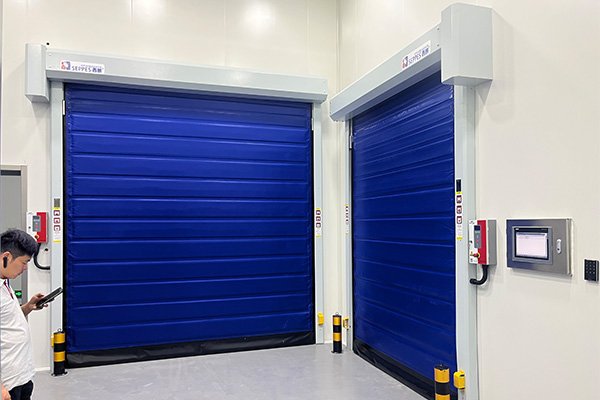

In the fast-paced world of industrial operations, maintaining a controlled environment while ensuring a seamless workflow is a constant challenge. Insulated High-Speed Doors have emerged as a critical solution for facilities that require strict temperature regulation without sacrificing operational speed. Unlike traditional industrial doors that are slow and offer poor thermal resistance, these advanced systems are designed to open and close at high velocities while providing a robust thermal barrier. By minimizing the time a doorway remains open, businesses can significantly reduce energy loss, prevent condensation, and maintain the integrity of temperature-sensitive goods.
What Are Insulated High-Speed Doors?
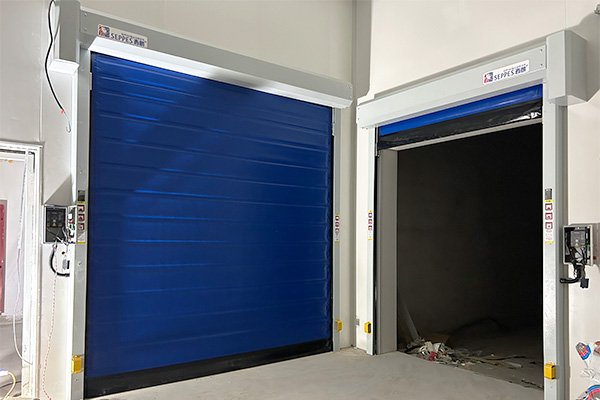
Insulated High-Speed Doors are specialized industrial partitions designed for high-traffic areas where temperature control is paramount. They typically feature a multi-layer curtain—often consisting of PVC or durable fabrics sandwiching a layer of insulating foam—or rigid aluminum slats with thermal breaks.
The “high-speed” element refers to their ability to operate at speeds often exceeding 0.8 to 1.2 meters per second. This rapid movement ensures that the exposure time between two different environments (such as a frozen warehouse and a loading dock) is kept to an absolute minimum.
Key Features and Benefits
1. Superior Thermal Insulation and Energy Savings
The primary function of these doors is to prevent “thermal bridging.” The insulated panels or curtains provide a high R-value (thermal resistance), keeping heat out of cold rooms or retaining warmth in heated facilities. Because the doors close almost immediately after a vehicle or person passes through, the exchange of air is minimized. This reduces the workload on HVAC or refrigeration systems, leading to a dramatic reduction in monthly energy bills.
2. High-Speed Operation for Efficient Logistics
In a busy warehouse, every second counts. Traditional sectional doors can take 20 to 30 seconds to open, leading to bottlenecks and frustrated forklift operators. Insulated High-Speed Doors eliminate this friction. Their rapid cycle times ensure that logistics remain fluid, improving overall productivity and reducing the risk of collisions.
3. Condensation and Frost Prevention
In cold storage applications, moisture is a major enemy. When warm, humid air meets a cold surface, condensation or ice can form, creating slippery floors and damaging equipment. Advanced insulated rapid doors often include integrated heating elements in the side tracks and air blowers to keep the curtain dry and frost-free, ensuring the safety of the workforce.
4. Robust Durability and Wind Resistance
Industrial environments are tough. These doors are built with high-tensile materials and reinforced wind bars to withstand significant pressure differentials between rooms. Many models also feature a “self-repairing” function; if a forklift accidentally bumps the curtain out of its track, the door is designed to reset itself on the next upward cycle, minimizing downtime and repair costs.
Critical Applications Across Industries
The versatility of Insulated High-Speed Doors makes them indispensable in several sectors:
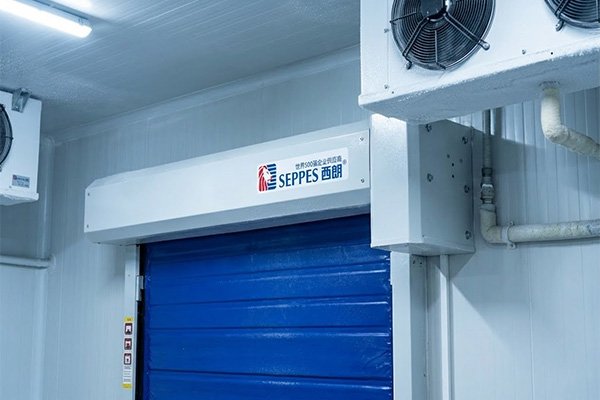
Cold Chain & Frozen Food Storage: Maintaining the “never-break” cold chain is vital for food safety. These doors act as the ultimate gatekeeper for blast freezers and cold rooms.
Pharmaceutical Industry: Many medicines require precise climate control. High-speed doors help maintain these “Clean Room” standards by preventing external air contaminants and temperature fluctuations.
Food Processing: In meat or dairy processing, different zones must be kept at different temperatures to prevent bacterial growth. Rapid doors provide the necessary separation while allowing easy passage for workers.
Large Logistics Hubs: For facilities dealing with high-volume shipping and receiving, these doors protect the interior environment from harsh outdoor weather conditions.
Choosing the Right Door: Factors to Consider
When investing in Insulated High-Speed Doors, it is important to look beyond just the price tag. Consider the following:
Opening Frequency: How many times a day will the door operate? Ensure the motor is rated for high-intensity use (VFD – Variable Frequency Drive is recommended).
Insulation Thickness: Depending on your temperature delta (the difference between inside and outside), you may need curtains ranging from 3mm to 20mm or even rigid 40mm-80mm panels.
Safety Features: Look for doors equipped with infrared sensors, light curtains, and wireless safety edges to prevent accidents involving personnel.
Sealing Performance: A door is only as good as its seal. Ensure the side tracks and bottom edge provide a tight, airtight fit to prevent drafts.
Conclusion
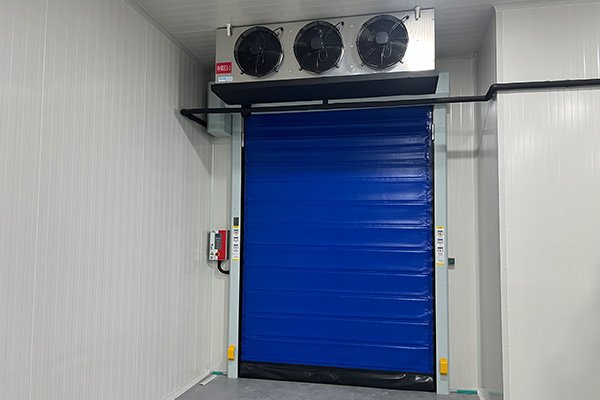
As energy costs continue to rise and global standards for product quality become more stringent, the role of Insulated High-Speed Doors has never been more important. They are not merely an entry point but a strategic investment in energy efficiency, operational speed, and environmental control. By choosing a high-quality insulated door system, businesses can protect their bottom line while ensuring a safer, more productive workspace.
If you are looking to upgrade your facility, prioritizing thermal performance and rapid automation is the fastest way to see a return on investment.
