
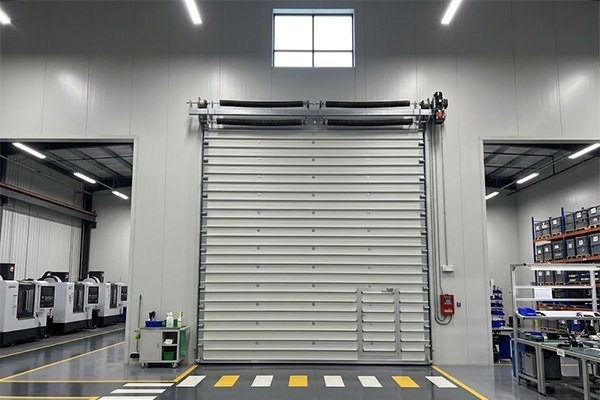

In the world of modern industrial and residential architecture, maximizing functionality without compromising on space is a top priority. The Door-in-door sectional door, often referred to as a sectional door with a “wicket door” or “pedestrian pass door,” has emerged as a premium solution for high-traffic environments. By integrating a smaller entrance directly into the larger door panels, this design offers a seamless way to manage foot traffic while maintaining the security and insulation of a standard sectional overhead system.
What is a Door-in-Door Sectional Door?
A sectional door consists of a standard multi-panel sectional door that features a built-in, hinged pedestrian door. This “door within a door” allows people to enter or exit a building without needing to activate the heavy motorized mechanism of the entire garage or warehouse door.
These systems are engineered with precision to ensure that the structural integrity and thermal insulation of the main door remain intact, even with the inclusion of a secondary opening.
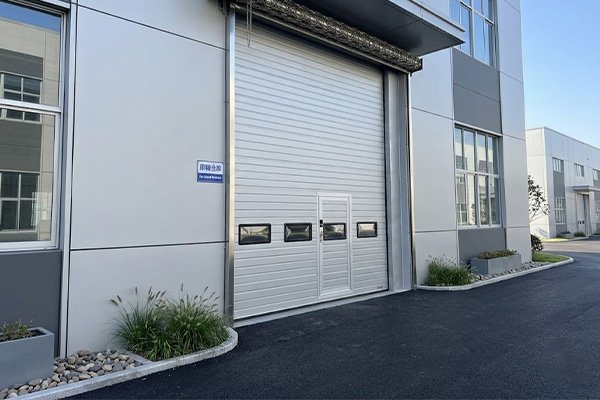
Key Advantages of the Door-in-Door Design
Choosing a sectional door with an integrated pedestrian entrance offers several transformative benefits for business owners and homeowners alike.
1. Superior Energy Efficiency
Every time a massive industrial sectional door is fully raised, a significant volume of climate-controlled air (heat or AC) escapes. By using the smaller pedestrian door for human traffic, you minimize air exchange.
Reduced Thermal Loss: Keeps the interior temperature stable.
Lower Utility Bills: Less strain on HVAC systems leads to direct cost savings.
2. Enhanced Operational Longevity
Standard sectional doors are heavy and rely on springs, cables, and motors. Frequent cycling (opening and closing) leads to mechanical wear and tear.
Reduced Cycles: Using the small door for people preserves the lifespan of the main motor and torsion springs.
Lower Maintenance Costs: Fewer full cycles mean longer intervals between professional servicing.
3. Unmatched Convenience and Speed
Waiting for a large overhead door to complete its cycle can be frustrating and time-consuming.
Instant Access: Employees or residents can slip in and out in seconds.
Traffic Segregation: Clearly separates pedestrian movement from vehicle or forklift movement, increasing safety in busy environments.
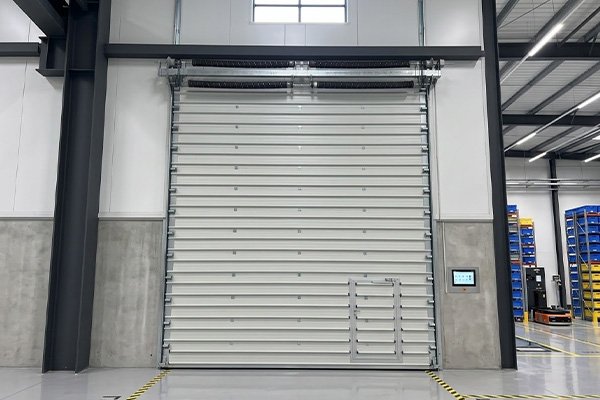
4. Emergency Exit Compliance
In many industrial settings, safety regulations require a dedicated fire exit. Door-in-door sectional doors can often serve as a certified emergency egress point, saving the cost and wall space required to install a separate side door.
Technical Features to Look For
When sourcing a high-quality Door-in-door sectional door, pay attention to these technical specifications to ensure safety and durability:
| Feature | Description |
| Low Threshold | Modern designs feature “trip-free” thresholds (as low as 20mm) to prevent accidents and allow small trolleys to pass. |
| Safety Interlock Sensors | An electronic sensor ensures the main overhead motor cannot be activated if the pedestrian door is open. |
| High-Performance Seals | Specialized EPDM rubber seals around the wicket door frame to prevent drafts and water ingress. |
| Reinforced Framing | Aluminum profiles that provide stability to the cutout section without adding excessive weight. |
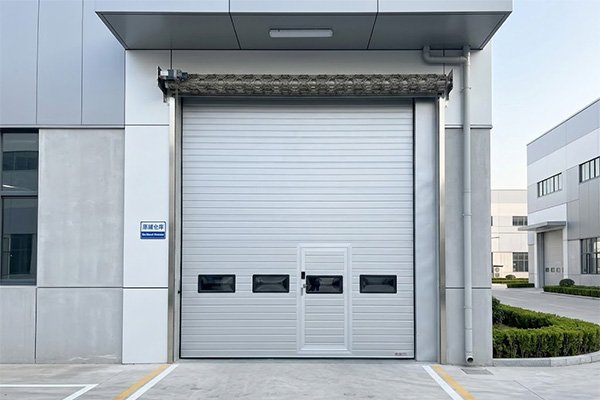
Best Applications for Door-in-Door Systems
Warehouses & Logistics Centers: Ideal for couriers or staff members entering without needing to open the bay for a full truck.
Fire Stations & Emergency Services: Allows quick movement of personnel while keeping the main bay closed and secure.
Residential Garages: Perfect for homeowners who use their garage as a workshop or gym and need frequent access without exposing the entire garage to the street.
Automotive Showrooms: Enables staff to move in and out while keeping the climate controlled for luxury vehicles.
Conclusion
The sectional door is more than just a convenience; it is a strategic investment in energy conservation, equipment longevity, and site safety. By allowing for a “smart” flow of traffic, it bridges the gap between heavy-duty industrial needs and everyday human accessibility.
