
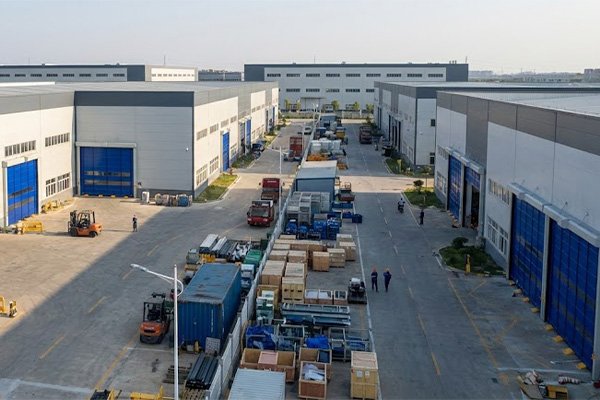

In the rapidly evolving landscape of Industry 4.0, “speed” is no longer just a competitive advantage—it is a baseline requirement for survival. This shift is precisely why global search volume for “High Speed Door Manufacturers” has reached an all-time high. As factories and warehouses transition toward full automation, the humble entrance has evolved into a high-tech gateway critical to operational flow.
The Surge in Demand
The modern industrial world is moving faster than ever. From the rise of automated logistics that require seamless AGV (Automated Guided Vehicle) passage to the stringent temperature controls of the cold chain and the high-precision environments of pharmaceutical cleanrooms, the demand for high-performance doors is soaring. These facilities require more than just a barrier; they need industrial rapid doors that can keep pace with 24/7 production cycles while maintaining strict environmental separation.
The High Cost of a Wrong Choice
For many facility managers, the real “pain point” isn’t just a malfunctioning door—it is the catastrophic ripple effect that follows. Partnering with an unproven manufacturer often leads to:
Costly Downtime: A single mechanical failure can paralyze an entire production line.
Energy Inefficiency: Slow-acting or poorly sealed doors lead to massive thermal loss, driving up utility bills.
Safety Risks: Substandard sensors or weak materials compromise the safety of your workforce and equipment.
Your Strategic Procurement Blueprint
Choosing the right partner is a strategic investment in your facility’s future. This guide is designed to navigate the complexities of the 2026 market. We will provide a deep dive into technical benchmarks, explore sector-specific applications, and demonstrate how industry leaders like SEPPES are setting new global standards for reliability and intelligence. Whether you are upgrading an existing site or building a new smart factory, this article serves as your ultimate procurement decision guide.
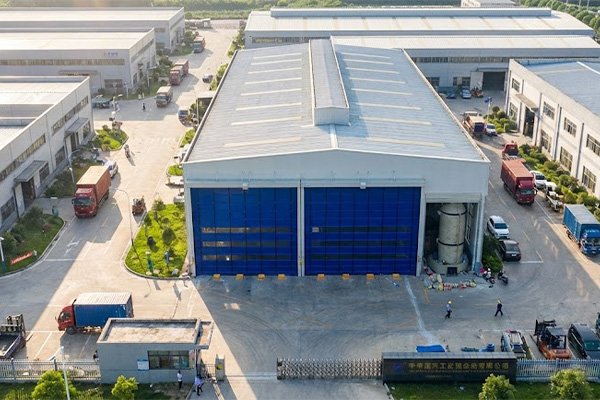
When evaluating high-speed door manufacturers, it is essential to look beyond the initial price tag. The true value of an industrial door lies in its performance across five critical dimensions that ensure operational continuity and a lower Total Cost of Ownership (TCO).
The 5 Core Dimensions of High-End High-Speed Door Manufacturers
To distinguish a premium manufacturer from a standard supplier, industry professionals use the following benchmarks to evaluate equipment reliability and engineering excellence.
I. Safety Performance: A Zero-Compromise Approach
In a high-traffic environment, safety is the primary metric. High-end manufacturers integrate multi-layered protection systems to prevent accidents involving personnel or equipment (like forklifts).
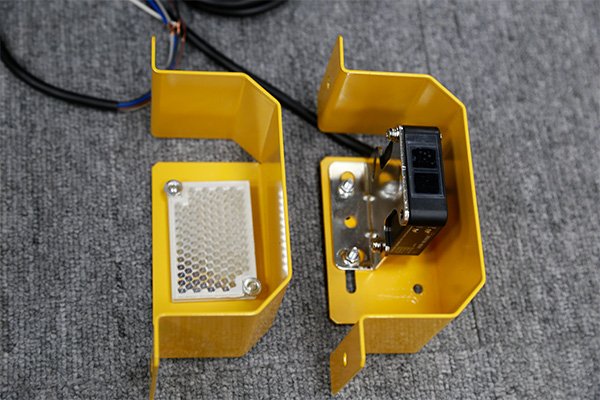
Infrared Safety Sensors: To detect obstacles in the path of the door.
Wireless Safety Bottom Edges: A pressure-sensitive edge that immediately reverses the door’s direction upon the slightest contact.
Visual Warning Systems: Integrated LED light strips and flashing sirens that provide clear status signals to workers before and during operation.
II. Durability and Cycle Life: Built for High-Frequency Use
The most reputable design doors capable of hundreds of thousands of cycles per year without mechanical fatigue.
Industrial Servo Motors: Premium brands utilize high-torque, high-efficiency motors designed for continuous 24/7 operation.
Tear-Resistant Fabrics: The quality of the door curtain is paramount. SEPPES, for instance, utilizes high-strength, double-layered PVC curtains with exceptional tensile strength and wind resistance, ensuring the door remains intact even under heavy pressure or high-speed operation.
III. Superior Sealing and Thermal Insulation
For industries like food processing and pharmaceuticals, the door acts as a vital barrier for environmental control.
Hermetic Sealing: Precision-engineered tracks and side brushes minimize air leakage, maintaining the integrity of cleanrooms.
Energy Efficiency: Rapid opening and closing speeds (up to 2.0m/s) significantly reduce thermal exchange, which is critical for lowering the energy costs of cold storage facilities and maintaining strict HVAC standards.
IV. Smart Control Systems: The Brain of the Door
In the era of smart factories, a high-speed door must be more than a moving part; it must be an integrated device.
Variable Frequency Drives (VFD): Ensuring a “soft start” and “soft stop” to reduce mechanical wear and extend the lifespan of the hardware.
Interlocking & Integration: The ability to link multiple doors or integrate with AGV systems and warehouse management software (WMS).
Remote Monitoring: High-end systems now offer cloud-based diagnostics, allowing facility managers to monitor door status and perform preventative maintenance remotely.
V. Global After-Sales and Maintenance Ecosystem
A world-class manufacturer provides:
Standardized Parts: Ensuring that wear-and-tear components are always in stock and easy to replace.
Rapid Response Teams: A global or localized service network that can provide support within hours, not days, to minimize downtime.
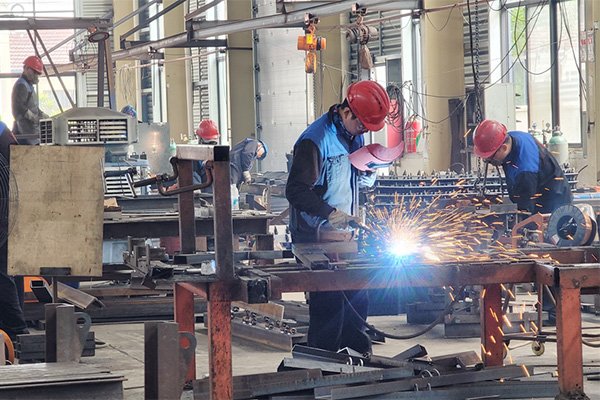
Moving forward, it is crucial to understand that a “one-size-fits-all” approach does not exist in the industrial sector. Leading high-speed door manufacturers distinguish themselves by their ability to engineer bespoke solutions that address the unique environmental and operational challenges of specific industries.
In-Depth Analysis: Sector-Specific Customized Solutions
The versatility of industrial rapid doors allows them to serve as critical infrastructure across diverse sectors, from sterile laboratories to heavy manufacturing plants. Here is how specialized designs meet the rigorous demands of different environments.
I. Cleanrooms (Pharmaceuticals & Electronics)
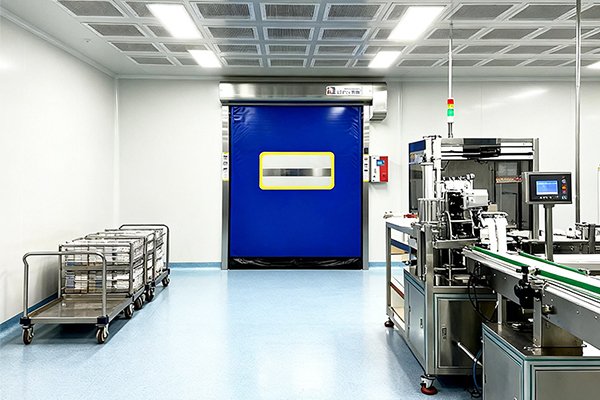
In environments where even a microscopic particle can compromise a product, the door must act as a precise seal.
High Hermeticity: Specialized cleanroom doors feature superior airtightness to maintain required pressure differentials between rooms.
Contamination Control: By minimizing air turbulence and offering rapid cycles, these doors drastically reduce the risk of cross-contamination.
Non-Shedding Materials: High-end manufacturers utilize smooth, anti-static PVC curtains that do not harbor dust or shed particles, meeting ISO cleanroom standards.
II. Cold Storage & Logistics
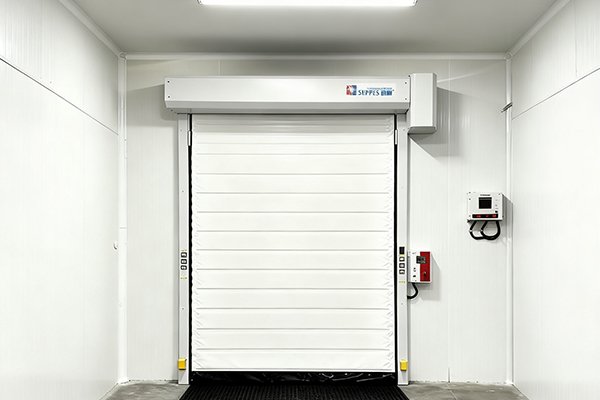
For the cold chain industry, the priority is thermal integrity and the prevention of ice buildup.
Anti-Frost Technology: Premium cold storage doors are equipped with integrated heating cables in the side tracks and motor covers to prevent freezing and ensure smooth operation in sub-zero temperatures.
Energy Conservation: Ultra-fast opening speeds (up to 1.2m/s) minimize the duration that the cold room is exposed to ambient air, significantly reducing cooling loss and energy consumption.
Insulated Curtains: Double-layered, foam-filled curtains provide an additional thermal barrier to maintain stable internal temperatures.
III. Automotive & Heavy Industry
Large-scale manufacturing requires doors that can withstand physical stress and environmental pressure.
Wind Load Resistance: For external openings or large assembly plants, doors are reinforced with high-strength aluminum alloy ribs to resist significant wind pressure.
Large-Scale Engineering: Leading manufacturers provide custom solutions for oversized door openings (up to 12 meters wide) without compromising speed or safety.
Reliable Throughput: Designed for high-frequency use, these doors facilitate the seamless flow of heavy machinery and finished vehicles through the production line.
IV. Food Processing
Hygiene is the non-negotiable metric for any facility handling food or beverages.
FDA-Compliant Materials: The door curtains and frames are constructed from non-toxic, food-grade materials that comply with international safety regulations.
Washdown-Ready Design: To facilitate daily sanitization, these doors often feature 304 or 316 stainless steel frames and water-resistant (IP54 rated) motors and controllers that can withstand high-pressure cleaning.
Smooth Surfaces: The design eliminates crevices where bacteria could accumulate, ensuring a sterile environment throughout the processing area.
With a clear understanding of industry requirements, it becomes evident why selecting a top-tier partner is paramount. Among global high speed door manufacturers, SEPPES has emerged as a gold standard, blending rigorous engineering with intelligent technology to serve the world’s most demanding enterprises.
Brand Focus: Why SEPPES is the Preferred Choice for Global Enterprises
What differentiates a market leader from a generic supplier is the commitment to quality that transcends borders. SEPPES has built its reputation on three foundational pillars that ensure every installation is a long-term asset for the client.
I. Globally Recognized Excellence: International Certifications
For multinational corporations, compliance is non-negotiable. SEPPES products are engineered to meet and exceed the strictest global safety and quality benchmarks.
Triple Certification: SEPPES doors carry CE (Europe), UL (North America), and SGS (Global) certifications, ensuring they meet the highest safety and environmental standards in any jurisdiction.
Global Footprint: With products exported to over 70 countries and regions—including the US, Germany, Japan, and Southeast Asia—SEPPES understands the nuances of diverse industrial climates and regulatory landscapes.
II. Defining the “Smart Industrial Door”: Proprietary Control Systems
SEPPES does not just manufacture hardware; they innovate the “brain” behind the door. By positioning themselves as the architect of the Smart Industrial Door, SEPPES offers features that many competitors cannot match:
Self-Developed Intelligence: Their proprietary control systems feature an intuitive Visual Human-Machine Interface (HMI), allowing for easy setup, real-time status monitoring, and rapid troubleshooting.
Dual-Circuit Safety Protection: SEPPES utilizes a redundant safety architecture. One circuit may encounter an issue. Consequently, the backup system ensures the door remains in a safe state, preventing accidents and protecting your high-value assets.
III. Premium Engineering & Precision Craftsmanship
The longevity of a high-speed door is determined by the quality of its components and the precision of its assembly. SEPPES invests heavily in high-end materials and manufacturing technology.
High-Performance Drive Systems: Every SEPPES door is powered by world-renowned German brand motors. These drive units are selected for their exceptional torque, heat dissipation, and ability to handle the rigors of high-frequency industrial use without performance degradation.
Laser-Integrated Welding Frames: Unlike traditional bolted or basic welded frames, SEPPES utilizes advanced laser-integrated welding. This process creates a seamless, incredibly stable structure that offers superior corrosion resistance and structural integrity, even in high-vibration or heavy-wind environments.
By combining “German-quality” power with “Smart-tech” brains, SEPPES provides a solution that doesn’t just open and close—it optimizes the entire workflow of a modern facility.
As we look toward the landscape of 2026, the industrial door industry is shifting from being a simple hardware provider to a critical component of the “Smart Factory” ecosystem. Modern high speed door manufacturers are no longer just selling doors; they are providing data-driven efficiency tools.
2026 Technology Outlook: Future-Proofing Your Facility
The following three trends are defining the next generation of industrial entrances, with SEPPES at the forefront of these innovations.
I. Deep AIoT Integration: Beyond Connectivity
By 2026, a high-speed door is a data node. Leading systems are now fully integrated with ERP (Enterprise Resource Planning) and WMS (Warehouse Management Systems).
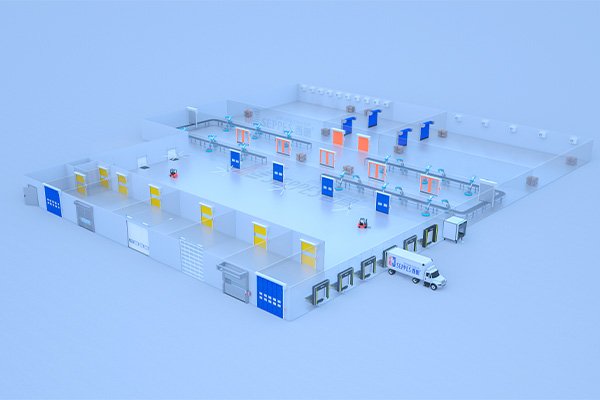
Real-Time Traffic Optimization: Doors communicate directly with AGVs and AMRs (Autonomous Mobile Robots) to synchronize opening times, ensuring zero-latency passage without human intervention.
Predictive Maintenance: Utilizing AI sensors, the door can predict its own maintenance needs based on cycle counts and motor stress levels, sending automated alerts to the cloud before a breakdown occurs.
II. Ultra-Energy-Saving Design: The Road to Carbon Neutrality
As “Green Manufacturing” becomes a global regulatory requirement, high-speed doors are essential for achieving net-zero goals.
Thermal Intelligence: Next-generation doors use multi-layered insulated curtains with specialized thermal breaks, drastically reducing Scope 2 emissions by maintaining internal climates with surgical precision.
Rapid Cycle Optimization: AI algorithms now adjust the speed and opening height of the door based on the size of the approaching vehicle, minimizing the duration of air exchange to the absolute limit.
Eco-Friendly Materials: SEPPES is leading the way by incorporating recyclable components and low-carbon manufacturing processes that align with global sustainability standards.
III. Self-Repairing “Zipper” Technology: The End of Downtime
Perhaps the most significant leap in operational reliability is the evolution of the Zipper-style self-repairing door, a core product strength for SEPPES.
The “Zero-Damage” Mechanism: Unlike traditional rigid doors that break or bend upon impact, the SEPPES zipper door features a flexible track system. If a forklift strikes the curtain, the “zipper” simply derails from the guide rails without tearing.
Automatic Reset Function: The true magic happens in the next cycle. As the door opens, the patented zipper design guides the curtain back into the tracks automatically.
Operational Resilience: This technology eliminates 85% of typical maintenance calls, ensuring that a minor accident on the warehouse floor doesn’t turn into a multi-day production halt.
To wrap up our comprehensive guide, we address the most common inquiries from procurement managers and facility engineers. This section is designed to help you navigate the final stages of your decision-making process.
Frequently Asked Questions (FAQ)
Q1: How much does a high-speed door cost?
The cost of a high-speed industrial door is not a fixed number; it is a calculation based on your specific operational needs. Several factors influence the final price:
Dimensions: Larger door openings require reinforced frames and more powerful drive systems.
Material Choice: Standard PVC is cost-effective, while insulated curtains for cold storage or 316 stainless steel for food processing are premium options.
Intelligence Features: Integrated sensors, AIoT connectivity, and “Zipper” self-repairing tracks add to the initial investment. However, these advanced features drastically reduce long-term maintenance costs.
Pro Tip: Don’t just look at the purchase price. Focus on the Total Cost of Ownership (TCO), including energy savings and reduced downtime. [Contact SEPPES for a customized, no-obligation technical quote today.]
Q2: What is the average lifespan of a rapid door?
A high-performance door from a reputable manufacturer like SEPPES is engineered for longevity. Standard commercial doors may last 10–15 years. In contrast, a high-end rapid door can easily operate for 20 to 30 years or exceed 1,000,000 to 2,000,000 cycles if maintained correctly. The key to this longevity is the use of high-torque industrial motors and precision-welded structures that resist mechanical fatigue.
Q3: How do I maintain a high-speed door for 500,000+ cycles?
Reaching the half-million-cycle mark requires a proactive maintenance strategy. Specifically, it demands a proactive approach rather than a reactive one.Follow this checklist:
Monthly Sensor Calibration: Clean infrared sensors and ensure safety bottom edges are responsive.
Quarterly Lubrication: Apply high-quality lubricant to tracks, rollers, and bearings to minimize friction.
Curtain Inspection: Check for minor tears in PVC or debris in the zipper tracks.
Annual Professional Audit: Have a certified technician inspect the motor’s electrical integrity and the control system’s software updates.
Conclusion: Partner with the Best in the Industry
Choosing a manufacturer involves more than just buying a door. Ultimately, it is about selecting a partner for your facility’s efficiency and safety. SEPPES stands at the intersection of German-engineered power and intelligent automation, providing the reliability that world-class enterprises demand.
Ready to accelerate your facility’s performance?
Explore our full product catalog.
Request a technical consultation with our engineering team.
Visit a SEPPES reference site near you to see our technology in action.
