
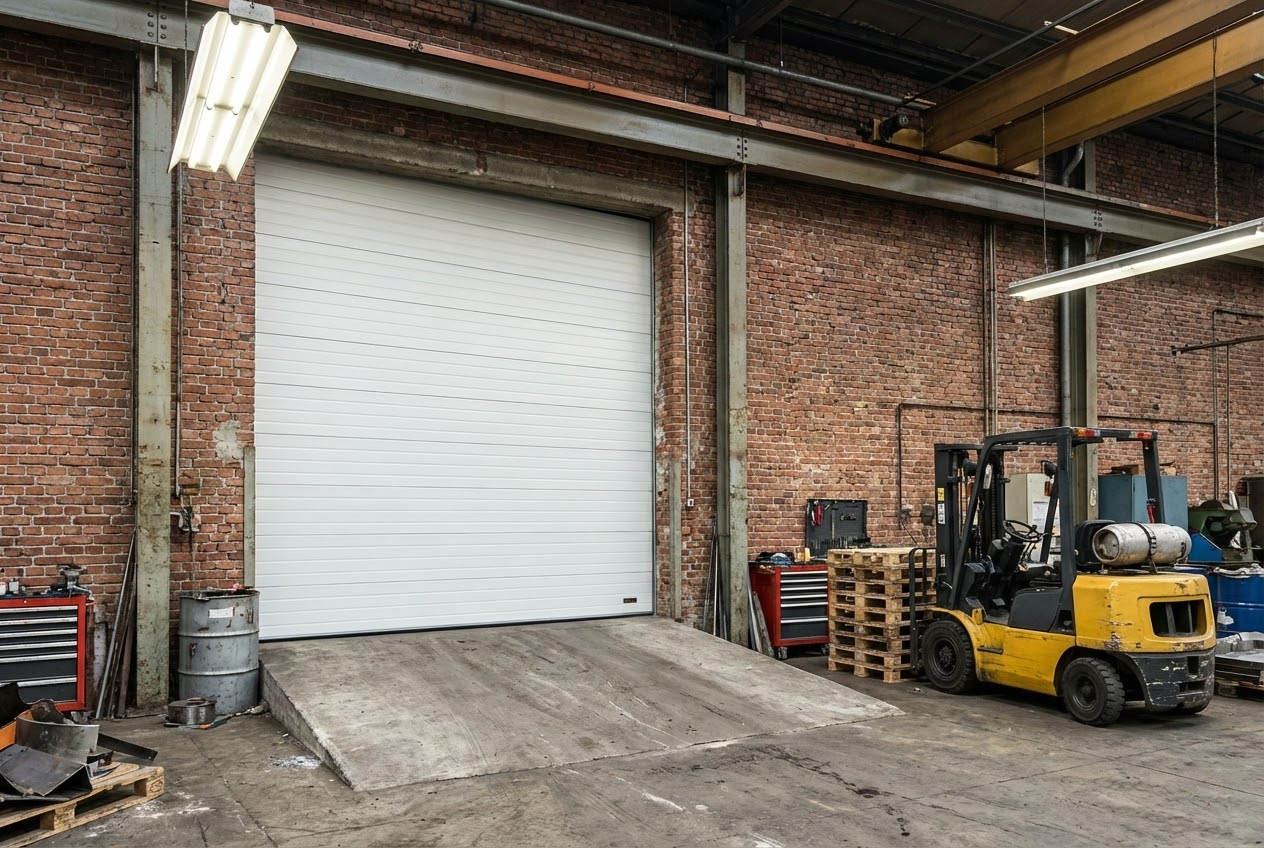

Choosing the right industrial door involves more than just picking a material or a color. One of the most common hurdles facility managers and architects face is ensuring the building’s structure can actually accommodate the door.
If you are planning a facility upgrade in 2026, understanding sectional door clearance requirements is the first step to avoiding costly structural modifications or installation delays. In this guide, we will break down the essential dimensions you need to reserve for a SEPPES sectional door, focusing on how different lift types can solve your specific spatial challenges.
Why Clearance Dimensions Matter
Before a single bolt is tightened, the “Clear Opening” (the space where the vehicle or person passes through) must be distinguished from the “Installation Space” (the area required for the door tracks, springs, and motor).
Failing to account for these measurements can lead to:
Operational Interference: The door hitting overhead lights, cranes, or HVAC ducts.
Safety Hazards: Improperly balanced springs due to cramped mounting spaces.
Energy Loss: Gaps in sealing because the tracks weren’t flush against the walls.
The “Big Three” Clearance Requirements
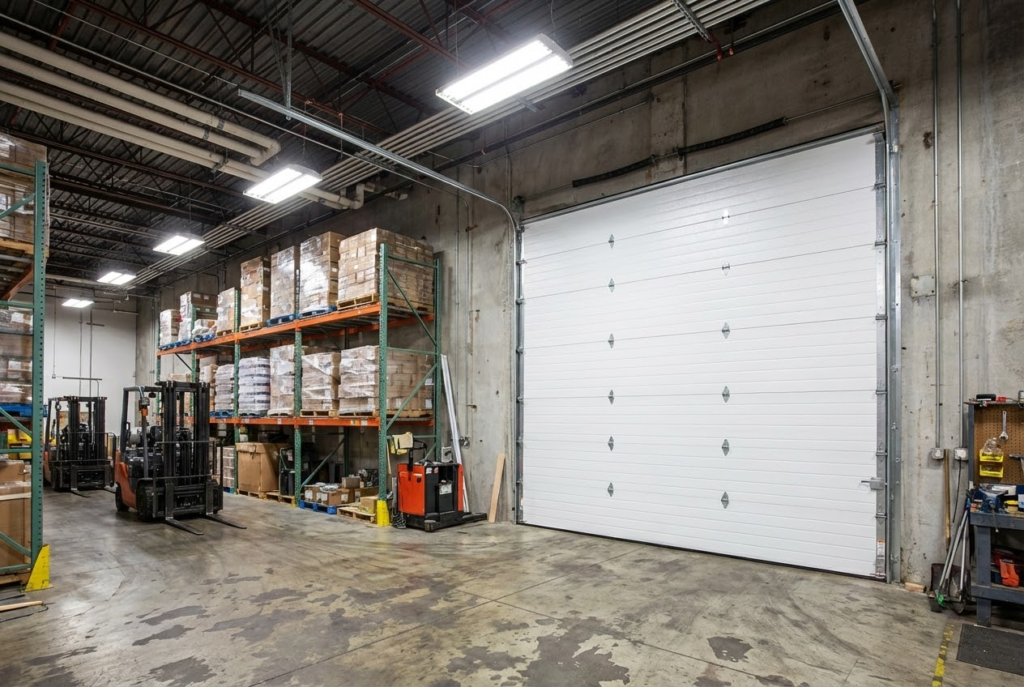
To ensure a seamless SEPPES installation, you must measure these three critical areas:
1. Headroom (Top Clearance)
This is the space between the top of the door opening and the lowest obstruction on the ceiling. It is where the door “parks” when open.
Standard Requirement: Usually requires 450mm to 600mm for standard lift doors.
The Problem: Low ceilings often make standard doors impossible to install.
2. Side Room (Side Clearance)
The vertical tracks and the counterweight system (or motor) need space on both the left and right sides of the opening.
Requirement: SEPPES recommends at least 150mm to 200mm on each side. If using a side-mounted motor, one side may require up to 400mm.
3. Backroom (Depth Clearance)
This is how far the tracks extend into the building.
Calculation: For a standard lift door, the backroom should be the Door Height + 600mm to 1000mm (depending on the motor type).
Solving the “Tight Space” Problem with Custom Lift Types
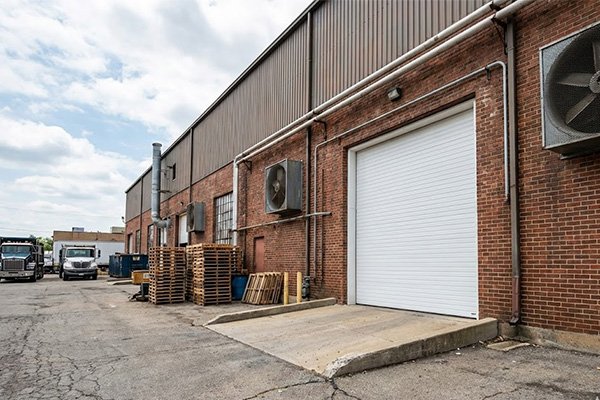
At SEPPES, we understand that not every warehouse has the luxury of a 10-meter ceiling. This is where our specialized lift configurations come in to maximize your usable floor and wall space.
| Lift Type | Best For | Headroom Requirement |
| Standard Lift | Most common warehouses | Hopening+500mm |
| High Lift | Facilities with high ceilings/cranes | Hopening+ Lift distance |
| Vertical Lift | High-bay warehouses with ample height | 2×Hopening+500mm |
| Low Headroom | Garages or basements | 250mm−300mm |
Feature Spotlight: SEPPES High-Lift Customization
If your facility has overhead equipment like cranes or piping, our High Lift system allows the door to travel vertically for several meters before turning horizontally. This keeps the tracks close to the ceiling and away from your workspace, effectively solving the “overhead interference” problem that standard doors face.
Pro-Tips for a Perfect Installation in 2026
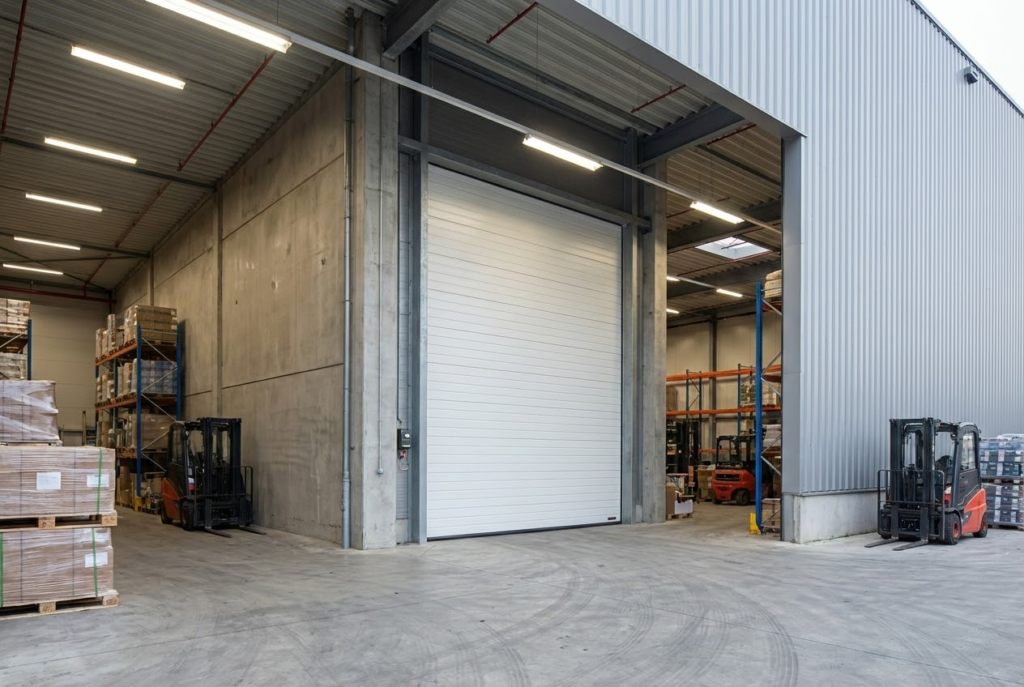
Check for Obstructions: Look for electrical conduits, sprinklers, or structural beams that might be “hiding” in your clearance zone.
Wall Material: Ensure the side walls are made of solid material (concrete or steel) to support the weight of the tracks and the torsion spring assembly.
Leveling: The floor must be level. If the floor slopes, the bottom seal of your sectional door won’t create a perfect thermal break, leading to energy loss.
Note: SEPPES sectional doors come with a standard EPDM perimeter seal. If your clearance is tight, we can provide low-profile mounting brackets that save up to 50mm of space without compromising the seal’s integrity.
Get a Professional Site Assessment
Calculating sectional door clearance requirements can be tricky, especially when dealing with complex industrial architecture. Choosing SEPPES means you aren’t just getting a door; you’re getting an engineered solution tailored to your building’s footprint.
