


In the modern industrial landscape, maintaining a stable internal environment is a significant challenge, especially for facilities where frequent traffic is a necessity. Thermal Insulated High Speed Doors have emerged as the premier solution for businesses looking to balance rapid access with superior temperature control. Unlike standard PVC doors, these specialized systems utilize a thickened, multi-layered curtain design to prevent thermal bridging and drastically reduce energy loss. By integrating high-speed operation with advanced insulation materials, these doors ensure that your HVAC systems aren’t working overtime every time a forklift passes through a transition zone.
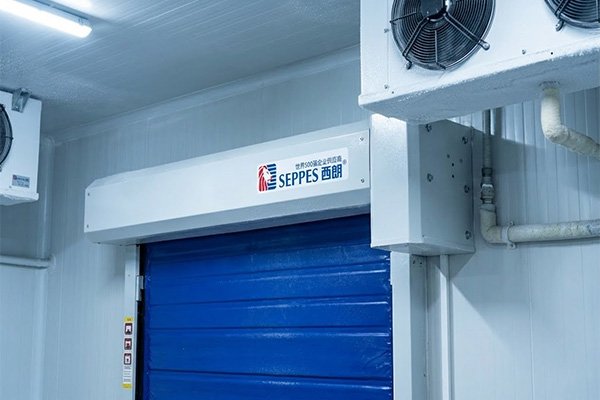
The Science Behind the Thickened Curtain
The heart of any high-performance insulated door is the curtain itself. While a standard high-speed door might use a single layer of 0.8mm to 1.5mm PVC, a Thermal Insulated High Speed Door typically features a “sandwich” structure.
1. Multi-Layered Composition
A premium thickened curtain is usually composed of:
Outer Layers: High-density, tear-resistant PVC fabric (often 0.8mm or thicker) that provides the structural integrity and weather resistance needed for industrial use.
Internal Insulation: The core is filled with thermal-insulating materials such as aluminum foil bubbles, rock wool, or high-density PE foam. This core acts as a barrier against heat transfer.
Total Thickness: Depending on the application, these curtains can range from 3mm to 20mm in total thickness, offering a significantly higher R-value compared to single-layer alternatives.
2. Eliminating Thermal Bridging
Thickened curtains are designed to be soft yet bulky. This allows them to fit snugly within the side tracks, often assisted by zipper-style seals or brush weatherstripping. This airtight seal is what truly optimizes the performance of Thermal Insulated High Speed Doors, preventing “chimney effects” where cold air escapes from the bottom while warm air enters from the top.
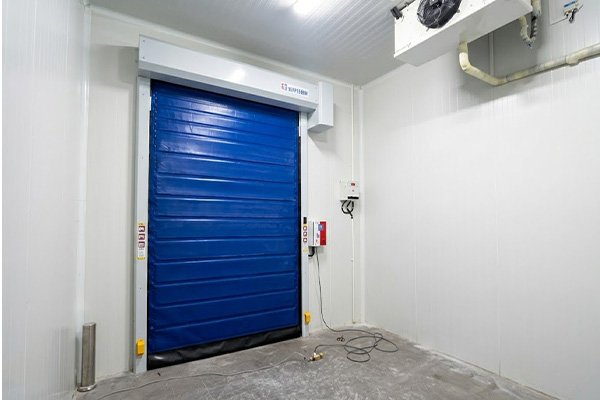
Key Benefits of Upgrading to Thickened Insulated Curtains
Enhanced Energy Savings and ROI
The most immediate benefit is a reduction in utility bills. In cold storage environments, every second a door stays open, or every BTU that leaks through a thin curtain, represents lost profit. The thickened curtain provides a thermal barrier that maintains the “cold chain” or heat retention, often paying for itself within 12 to 24 months through energy savings alone.
Condensation Prevention
In facilities with high humidity and temperature gaps (e.g., a -20°C freezer next to a +20°C loading dock), condensation is a constant safety hazard. Standard thin curtains will “sweat,” leading to ice buildup on the floor. The thermal resistance of a thickened curtain keeps the exterior surface temperature above the dew point, significantly reducing moisture accumulation and ice formation.
Superior Durability and Wind Resistance
Thickness doesn’t just mean insulation; it means strength. Thickened curtains are far more resilient against the high-pressure differentials found in large warehouses. They are less likely to “billow” or blow out of their tracks when wind loads are high, ensuring that the door remains functional even in demanding coastal or high-altitude environments.
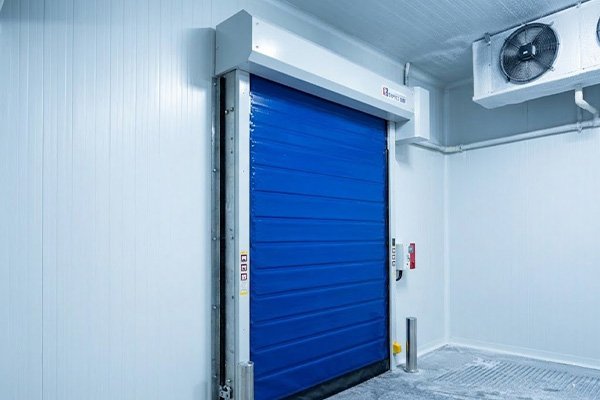
Critical Applications for Insulated High-Speed Systems
Where does a thickened curtain make the most impact? While versatile, certain industries see a higher return on investment:
| Industry | Primary Use Case | Critical Feature |
| Cold Chain Logistics | Freezer to Loading Dock transitions | Anti-freeze thickened curtains |
| Food & Beverage | Maintaining hygiene and temperature | Easy-to-clean PVC outer layers |
| Pharmaceuticals | Strict climate control for sensitive meds | Airtight seals and rapid cycles |
| Heavy Manufacturing | Large openings in heated workshops | Wind resistance and heat retention |
Technical Specifications to Consider
When sourcing Thermal Insulated High Speed Doors, it is important to look beyond the price tag and evaluate the technical “bones” of the system:
Opening Speed: Look for speeds between 1.2m/s to 2.0m/s. The faster the door opens and closes, the less time there is for air exchange.
Motor Reliability: Thickened curtains are heavier than standard ones. Ensure the motor is an industrial-grade servo system capable of high-frequency cycles without overheating.
Self-Repairing Features: Many modern insulated doors use a “zipper” track. If a forklift hits the thickened curtain, it simply pops out of the track and re-inserts itself on the next cycle, preventing costly downtime.
U-Value/R-Value: Ask the manufacturer for the thermal transmittance rating. A lower U-value indicates better insulation performance.
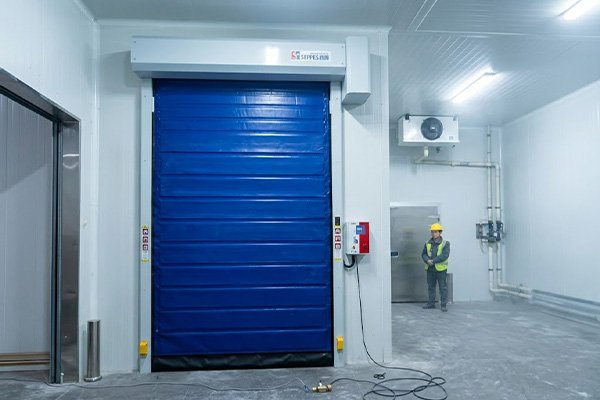
Installation and Maintenance Tips
To ensure your thickened curtain performs at its peak for years, professional installation and routine checks are mandatory.
Seal Integrity: Check the side brushes or PVC seals monthly. Even a small gap can compromise the thermal efficiency of the entire door.
Curtain Cleaning: Use non-abrasive cleaners to maintain the PVC surface. Accumulated dust or chemical residue can degrade the fabric’s flexibility over time.
Sensor Calibration: Ensure that radar or loop sensors are calibrated to trigger the door only when necessary. If the door opens every time a pedestrian walks near it, the benefits of the insulated curtain are wasted.
Conclusion: Investing in the Future of Your Facility
Choosing a Thermal Insulated High Speed Door with a thickened curtain is a strategic decision that affects your bottom line, your carbon footprint, and your operational safety. By selecting a system that prioritizes material thickness and airtight construction, you are not just buying a door—you are installing a high-performance thermal valve for your warehouse.
As energy costs continue to fluctuate and global sustainability standards become stricter, the transition to high-insulation industrial openings is no longer optional—it is a competitive necessity. Ensure your facility is equipped with the best-in-class thickened curtain technology to stay ahead of the curve.
